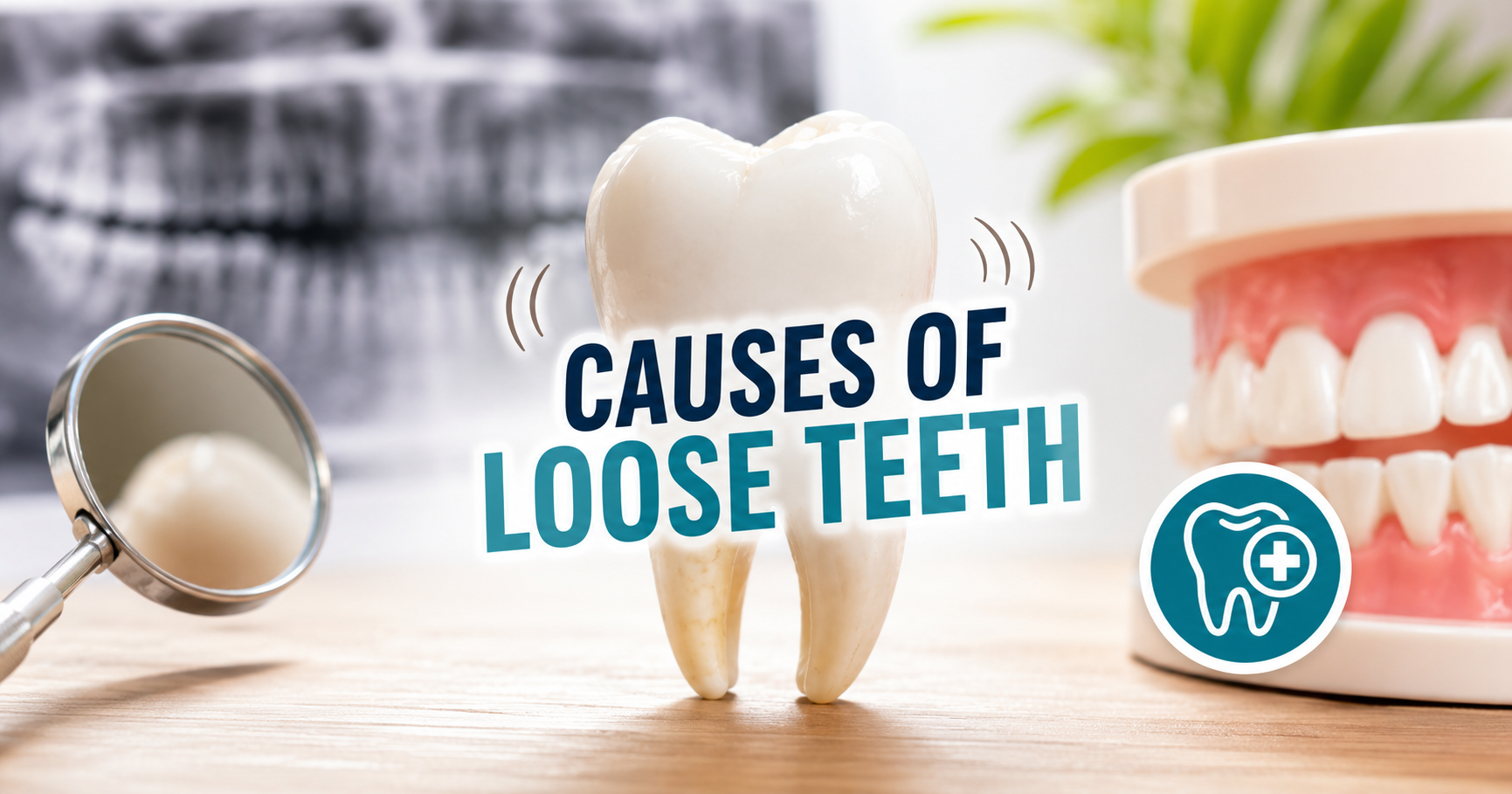
Causes of Loose Teeth
Causes of loose teeth can range from gum disease and injury to teeth grinding and bone loss.
While it is perfectly normal for children to lose baby teeth, a loose tooth in an adult should never be ignored.
Identifying the cause early may help save the tooth and prevent more extensive dental treatment in the future.
If you have concerns about a loose tooth, Hungarian Dentists Wexford offers a free panoramic X-ray and consultation. Call Fintan (0873490104) to arrange an assessment and discuss treatment options.
Following your consultation, patients can access top-class professional and more affordable dental treatment at Perfect Smile Dental Clinic in Hungary, with aftercare provided through Hungarian Dentists Wexford.
What Are the Most Common Causes of Loose Teeth?
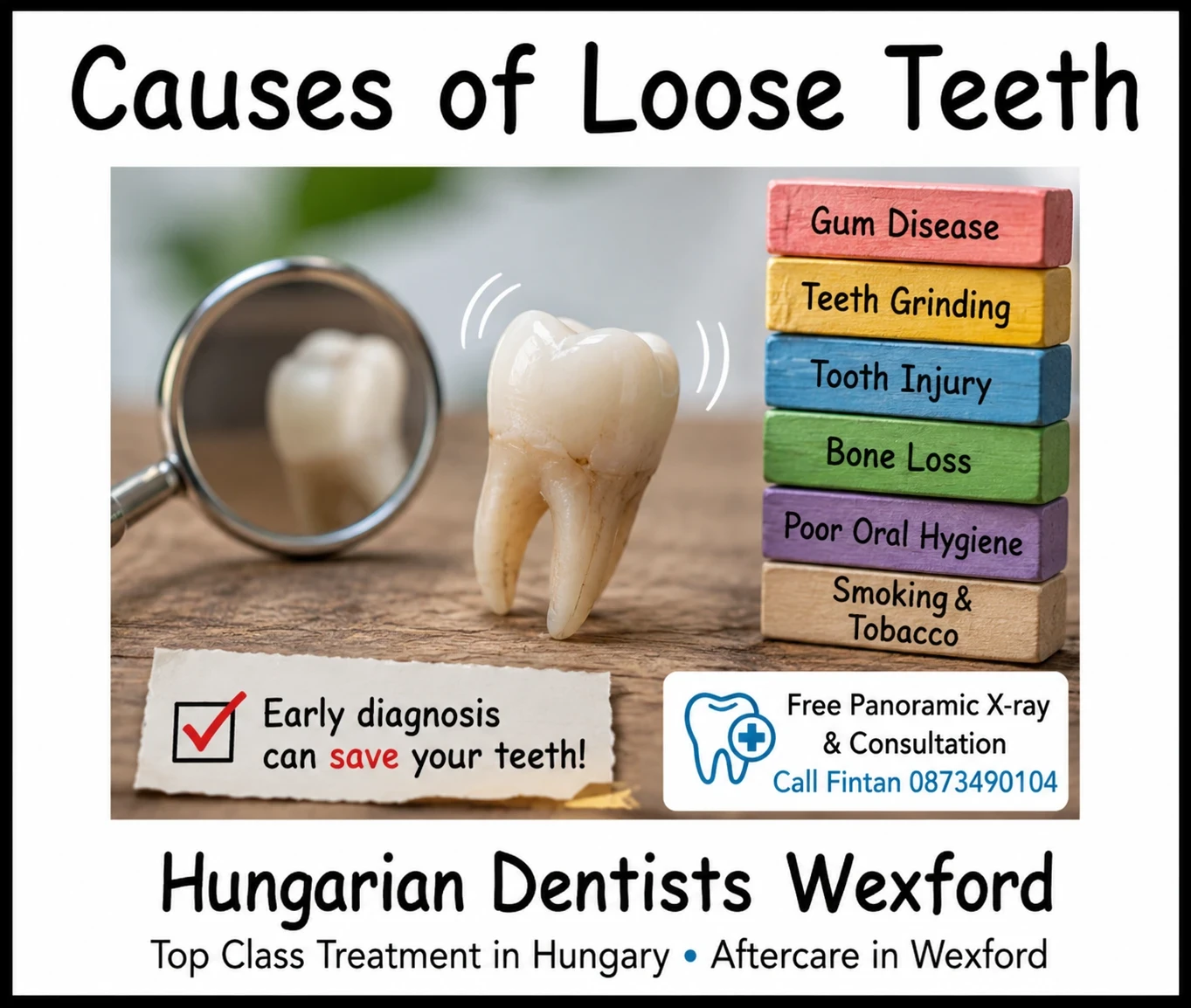
The causes of loose teeth are usually linked to damage affecting the gums, ligaments, or jawbone that support the teeth. When these structures weaken, teeth can become unstable and begin to move.
Common causes include:
- Gum disease
- Dental trauma or injury
- Teeth grinding and clenching
- Bone loss around the teeth
- Poor oral hygiene
- Smoking
- Dental infections
- Hormonal changes
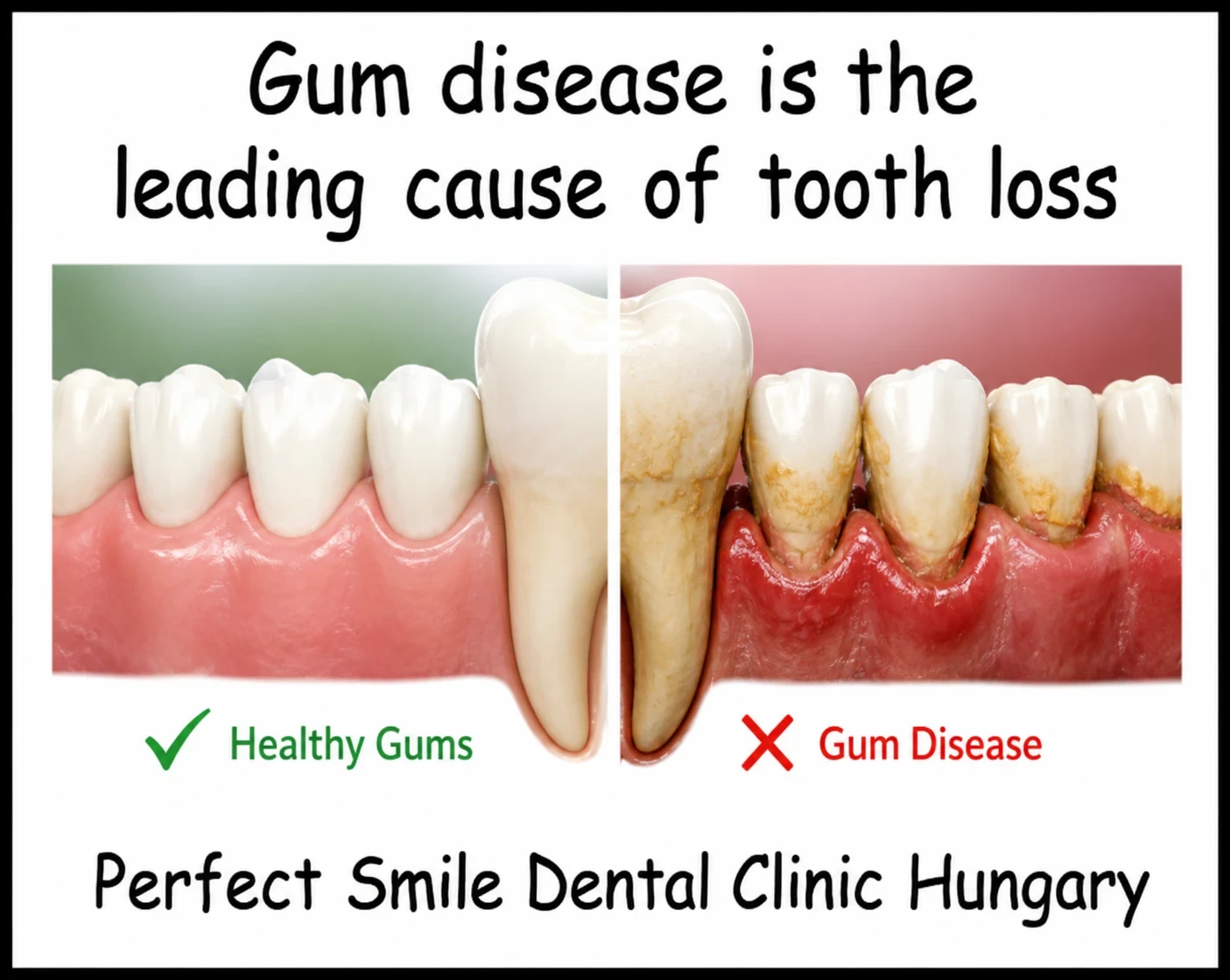
Gum Disease Is the Leading Cause of Loose Teeth
One of the most common causes of loose teeth is periodontal disease, often referred to as gum disease. This condition develops when plaque and bacteria build up around the teeth and gums.
As gum disease progresses, it can destroy the tissues and bone supporting the teeth. Eventually, teeth may begin to loosen and shift position.
Warning signs may include:
- Bleeding gums
- Swollen or tender gums
- Persistent bad breath
- Gum recession
- Spaces appearing between teeth
- Loose teeth
People experiencing these symptoms should seek professional advice as early treatment can improve outcomes. Learn more about loose teeth treatment.
Dental Trauma and Accidents
Another important cause of loose teeth is trauma. A fall, sports injury, accident, or direct blow to the mouth can damage the ligaments that hold teeth in place.
Sometimes the tooth itself appears healthy while the supporting structures underneath have been injured.
Prompt dental assessment is essential because early treatment may help preserve the affected tooth.
A panoramic X-ray can often reveal the causes of loose teeth, damage that cannot be seen during a simple visual examination.
Teeth Grinding and Clenching
Many adults grind or clench their teeth during sleep. Over time, this excessive pressure can weaken the supporting tissues around teeth.
Signs of teeth grinding include:
- Jaw soreness
- Morning headaches
- Worn or chipped teeth
- Sensitive teeth
- Loose teeth
Night guards and bite adjustments may help reduce ongoing damage when bruxism is identified early.
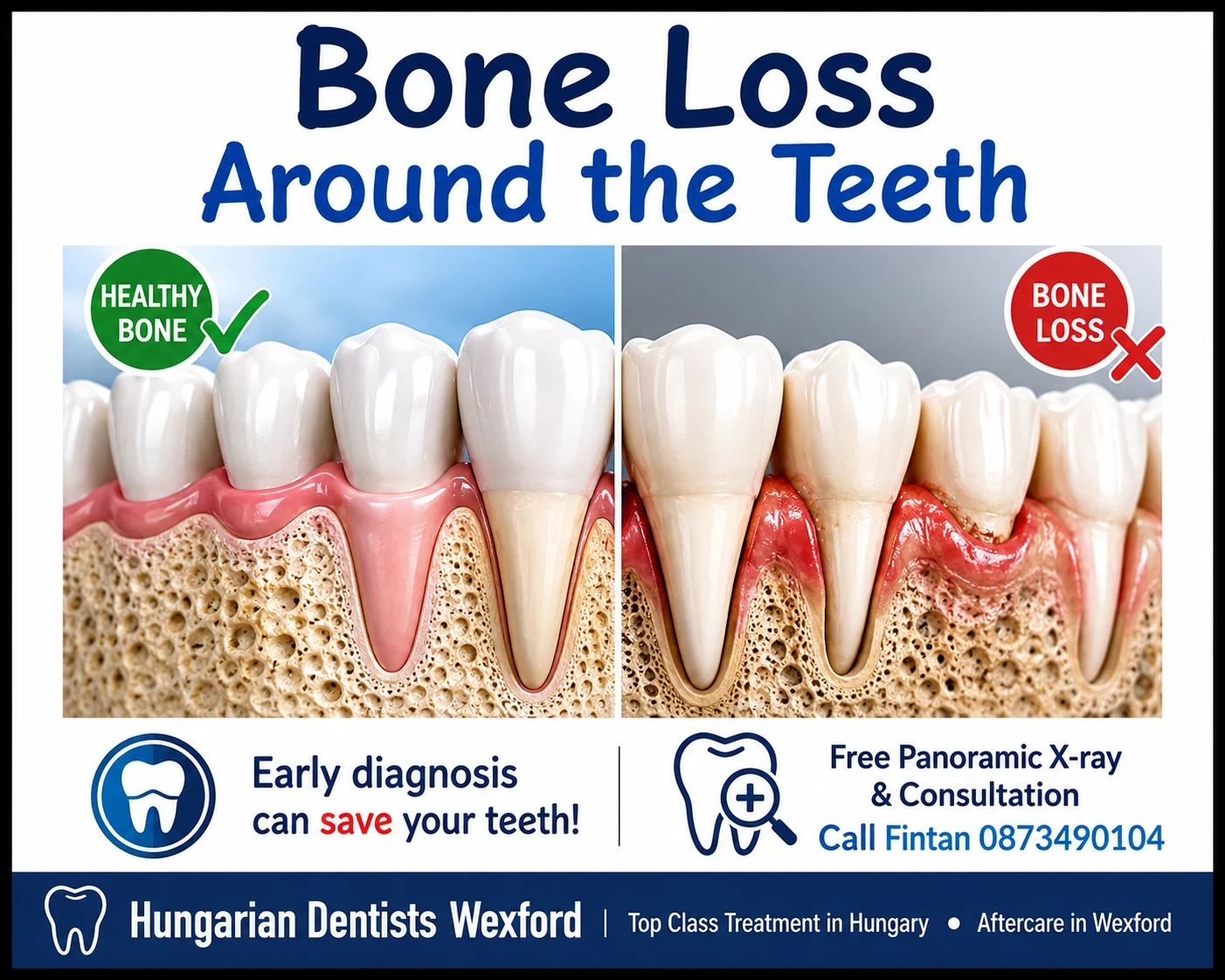
Bone Loss Around the Teeth
The jawbone provides the foundation that supports every tooth. When bone levels decrease, teeth can lose stability.
Bone loss is often associated with advanced gum disease, but it may also occur due to long-term infection or other health factors.
Many people are unaware that bone loss is occurring because it often develops gradually. This is one reason why regular dental examinations and panoramic X-rays are so valuable.
Poor Oral Hygiene
Poor oral hygiene is one of the preventable causes of loose teeth. When plaque and tartar are not removed effectively, bacteria can irritate the gums and eventually damage supporting bone.
Brushing twice daily, flossing regularly, and attending routine dental appointments can significantly reduce the risk of gum disease and tooth mobility.
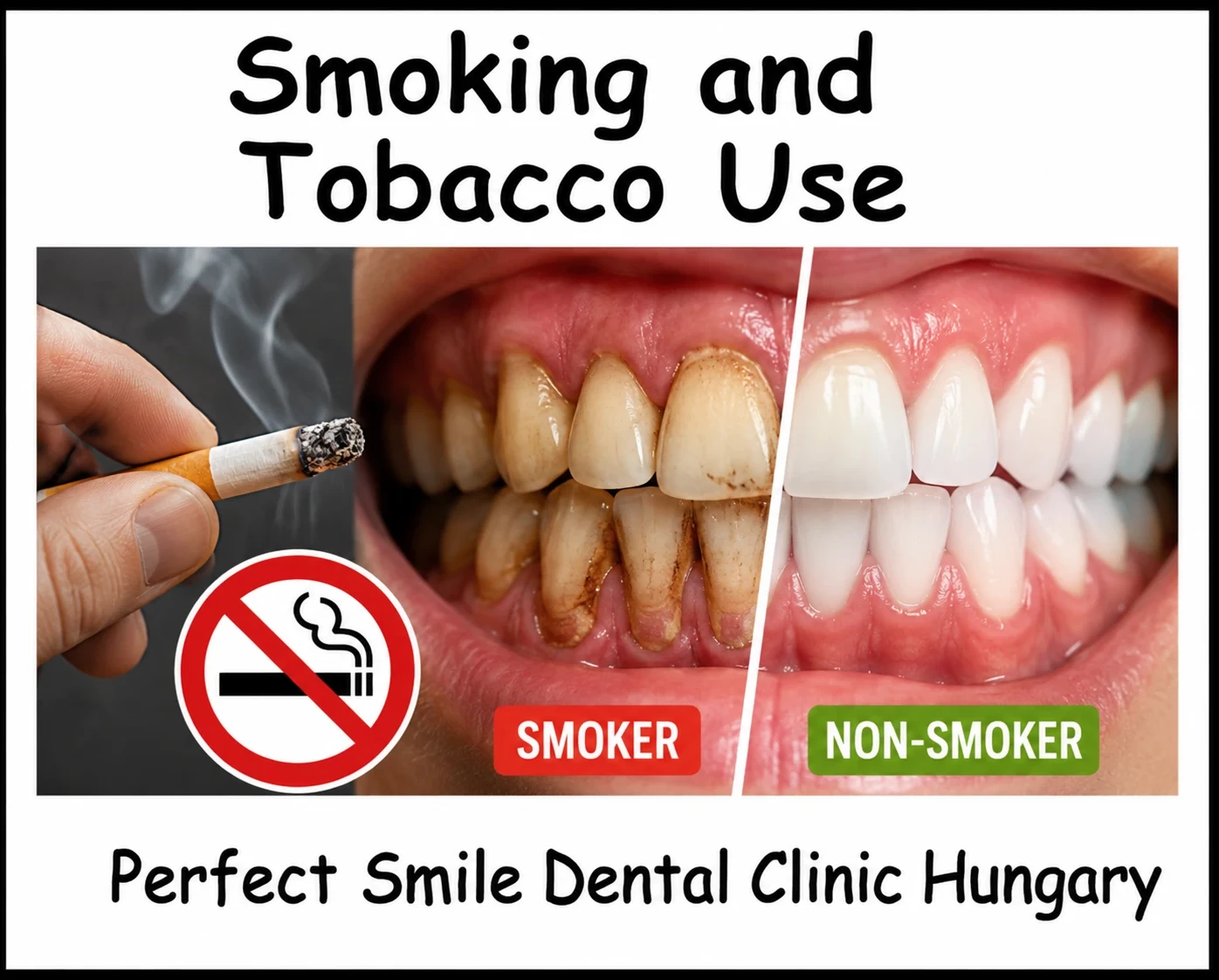
Smoking and Tobacco Use
Smoking is strongly associated with gum disease and tooth loss. Tobacco products reduce blood flow to the gums, making it more difficult for the body to fight infection and heal damaged tissues.
Smokers often develop more advanced periodontal disease than non-smokers, increasing the likelihood of loose teeth and eventual tooth loss. Smoking is one of the main causes of loose teeth.
Dental Infections and Abscesses
Infections affecting the root of a tooth or surrounding tissues can weaken the structures that support the tooth.
Common symptoms include:
- Pain when biting
- Swelling around the gums
- Sensitivity to hot and cold
- Pus or discharge
- Loose teeth
Dental infections should never be ignored because they can spread and cause significant damage if left untreated.
Hormonal Changes
Hormonal fluctuations during pregnancy may temporarily affect the gums and supporting tissues around teeth.
Some women notice increased tooth mobility during pregnancy due to changes in blood flow and inflammation levels.
Although these changes are often temporary, any loose tooth should still be professionally assessed.
Can a Loose Tooth Be Saved?
Many people worry that a loose tooth automatically means extraction. Fortunately, this is not always the case.
Treatment depends on the underlying causes of loose teeth and may include:
- Professional periodontal treatment
- Deep cleaning below the gum line
- Splinting loose teeth
- Treatment of infection
- Night guards for teeth grinding
- Bone regeneration procedures
- Bite adjustment
Early diagnosis often improves the chances of preserving the natural tooth.
What Happens When a Tooth Cannot Be Saved?
In some situations, severe bone loss or extensive damage means that a tooth cannot be retained.
When this occurs, modern dentistry offers several replacement options, including dental implants, bridges, and other restorative solutions.
You can read more about why teeth fall out and the treatment options available.

Free Consultation in Wexford and Treatment in Hungary
Many patients choose to begin their dental journey with a free panoramic X-ray and consultation at Hungarian Dentists Wexford.
After assessment, patients can travel to Perfect Smile Dental Clinic in Hungary for top-class professional and more affordable dental treatment.
Following treatment, ongoing reviews and aftercare can be provided through Hungarian Dentists Wexford.
To arrange your free consultation, call Fintan (0873490104).
Final Thoughts on Causes of Loose Teeth
The causes of loose teeth are often linked to gum disease, injury, infection, teeth grinding, or bone loss.
The sooner the problem is identified, the greater the opportunity to save the affected tooth and protect your long-term oral health.
If you have noticed movement in one or more teeth, arranging a professional examination and panoramic X-ray is an important first step toward identifying the cause and planning the most appropriate treatment.
Research Study
Change in Tooth Mobility Following Non-Surgical Periodontal Therapy