Causes of loose teeth in adults include gum disease, dental injuries, infections, teeth grinding and loss of the bone supporting the teeth. Although losing baby teeth is a normal part of childhood, a loose permanent tooth should always be assessed by a dentist.
Discovering why a tooth has become loose is important because some teeth can be stabilised and preserved when the underlying problem is treated early.
Not every loose tooth needs extracting. Depending on the cause and severity, treatment may involve managing gum disease, treating infection, protecting the tooth from excessive pressure or stabilising an injured tooth.
Important: If an adult tooth becomes loose following an accident or injury, seek urgent dental advice. Do not wait for a scheduled consultation. Severe facial swelling, difficulty breathing or swallowing, or uncontrolled bleeding requires emergency medical assessment.
For patients considering dental treatment in Hungary, Hungarian Dentists Wexford offers a free consultation and panoramic X-ray as part of its treatment-planning service. Call Fintan on 087 349 0104 for information about upcoming appointments.
What Are the Most Common Causes of Loose Teeth?
Teeth are supported by the gums, periodontal ligaments and surrounding jawbone. When these structures become damaged or weakened, a tooth may begin to move.
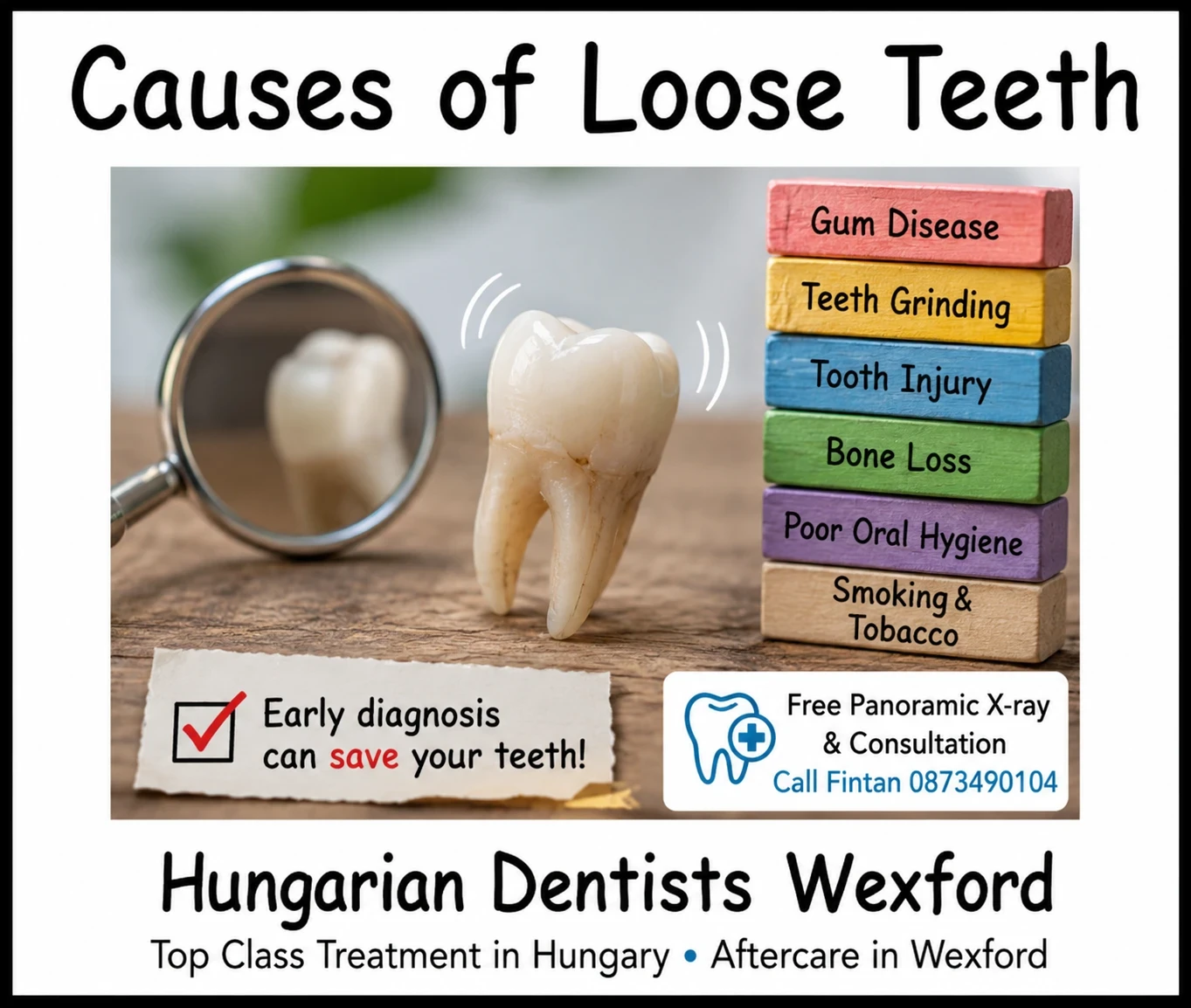
The most common causes of loose teeth in adults include:
- Gum disease, particularly advanced periodontitis
- Dental injuries and accidents
- Teeth grinding or excessive clenching
- Loss of supporting jawbone
- Poor oral hygiene and plaque accumulation
- Smoking and tobacco use
- Dental infections and abscesses
- Hormonal changes affecting the gums and supporting tissues
Some of these causes are closely connected. For example, poor oral hygiene can contribute to gum disease, which may eventually lead to bone loss and loose teeth.
1. Gum Disease Is a Major Cause of Loose Teeth
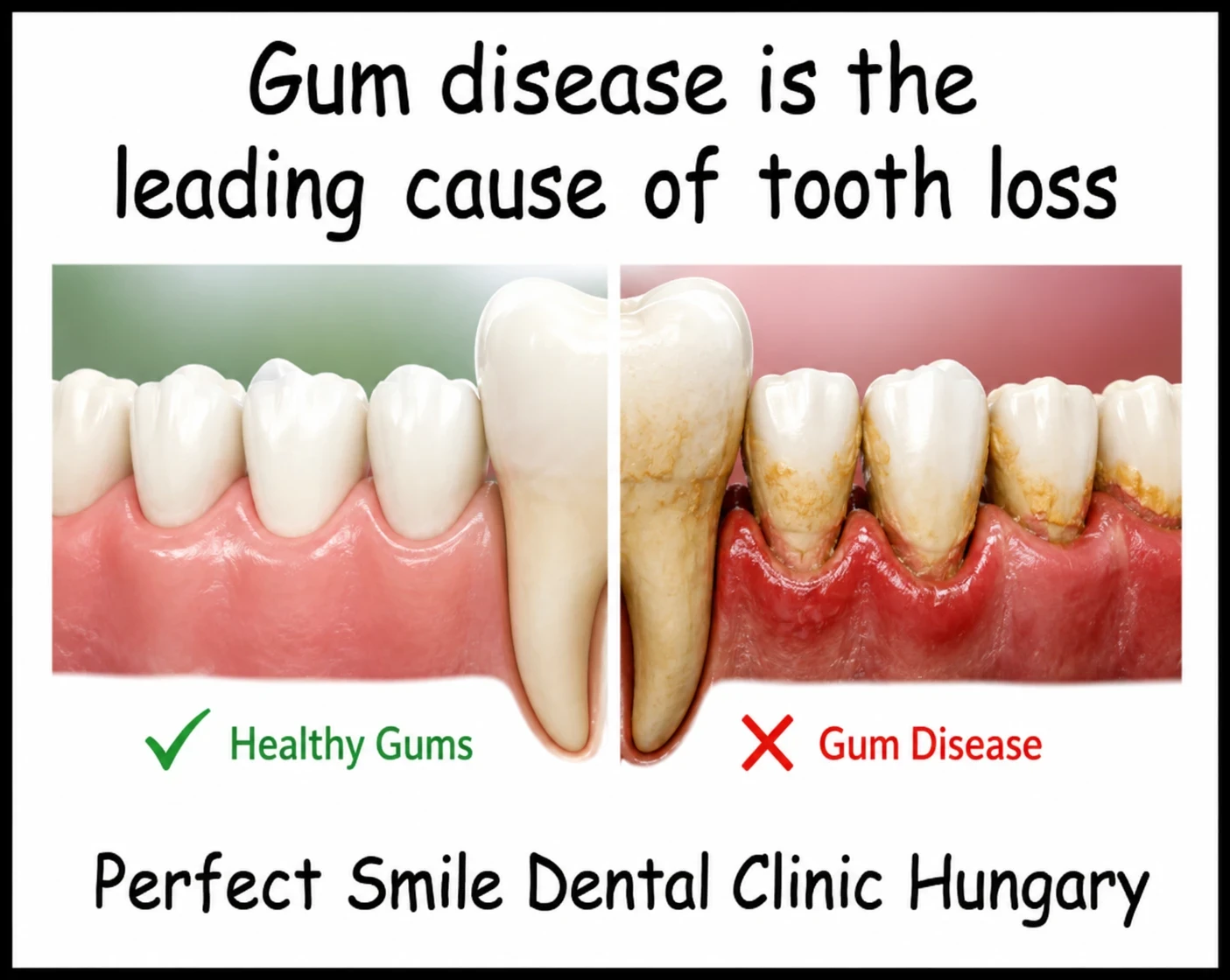
One of the most common causes of loose teeth is periodontal disease, commonly known as gum disease.
Gum disease begins when plaque bacteria accumulate around the teeth and gums. Gingivitis, the early stage, causes inflammation and may lead to bleeding when brushing.
If the condition progresses to periodontitis, the tissues and bone supporting the teeth can become damaged. As this support is lost, teeth may become mobile or change position.
Warning signs of gum disease
- Bleeding when brushing or flossing
- Red, swollen or tender gums
- Persistent bad breath
- Gums receding from the teeth
- New spaces appearing between teeth
- Changes in the way teeth fit together
- One or more loose teeth
Gum disease does not always cause pain, so it can progress without obvious discomfort.
Professional periodontal treatment can help control infection and reduce further damage. However, bone already lost through advanced periodontal disease may not fully regenerate.
Read our related guide to loose teeth treatment.
2. Dental Trauma and Accidents
A fall, sports injury, road accident or direct blow to the mouth can damage the tissues holding a tooth in place.
Sometimes a tooth becomes visibly displaced. In other cases, it may simply feel loose or painful when biting.
Even when the tooth appears undamaged, its root, surrounding ligament or supporting bone may have been injured.
A loose permanent tooth following trauma requires prompt dental assessment. Early treatment may improve the chances of preserving it.
The dentist may use a clinical examination and targeted dental X-rays to assess the injury. A panoramic X-ray may be useful in some situations, but it is not the best investigation for every dental injury.
Depending on the findings, treatment may include repositioning and temporarily splinting the affected tooth.
3. Teeth Grinding and Clenching
Teeth grinding, also called bruxism, can place considerable pressure on the teeth and their supporting structures.
Some people grind their teeth during sleep without realising it. Others clench their jaws during the day.
Signs of teeth grinding
- Jaw discomfort or tightness
- Morning headaches
- Worn, flattened or chipped teeth
- Tooth sensitivity
- Pain when biting
- Increased tooth movement in susceptible teeth
Grinding alone does not necessarily cause periodontal bone loss, but excessive biting forces can aggravate mobility where supporting tissues are already weakened.
A dentist may recommend a professionally fitted night guard or other treatment to manage the pressure on affected teeth.
4. Bone Loss Around the Teeth
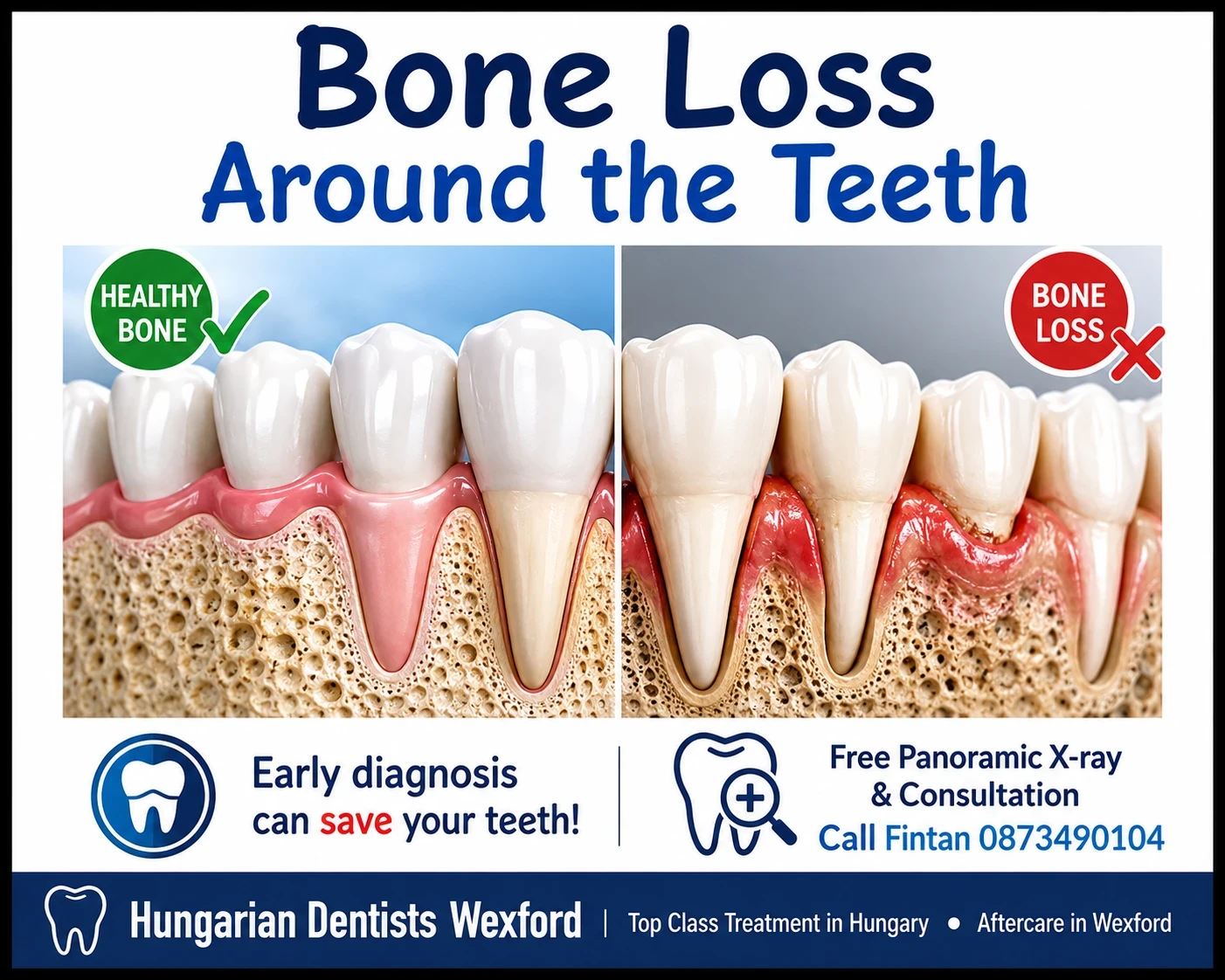
The jawbone plays an essential role in keeping natural teeth stable.
When the bone supporting a tooth is gradually lost, the tooth may begin to loosen.
Advanced periodontal disease is a common reason for this type of bone loss. Certain infections and other conditions may also affect the surrounding structures.
Bone loss can develop slowly, sometimes without noticeable symptoms until the condition becomes advanced.
A dentist may assess bone levels using periodontal measurements and appropriate dental imaging.
5. Poor Oral Hygiene
Inadequate brushing and cleaning between the teeth allows plaque to accumulate around the gumline.
Over time, plaque can contribute to inflammation and periodontal disease, increasing the risk of tooth mobility and eventual tooth loss.
Good daily oral hygiene helps reduce this risk.
- Brush twice daily using fluoride toothpaste.
- Clean between the teeth with floss or interdental brushes.
- Attend regular dental examinations.
- Arrange professional cleaning when recommended.
- Seek advice if your gums bleed regularly.
These measures help prevent disease, but they cannot replace professional treatment when advanced gum disease is already present.
6. Smoking and Tobacco Use
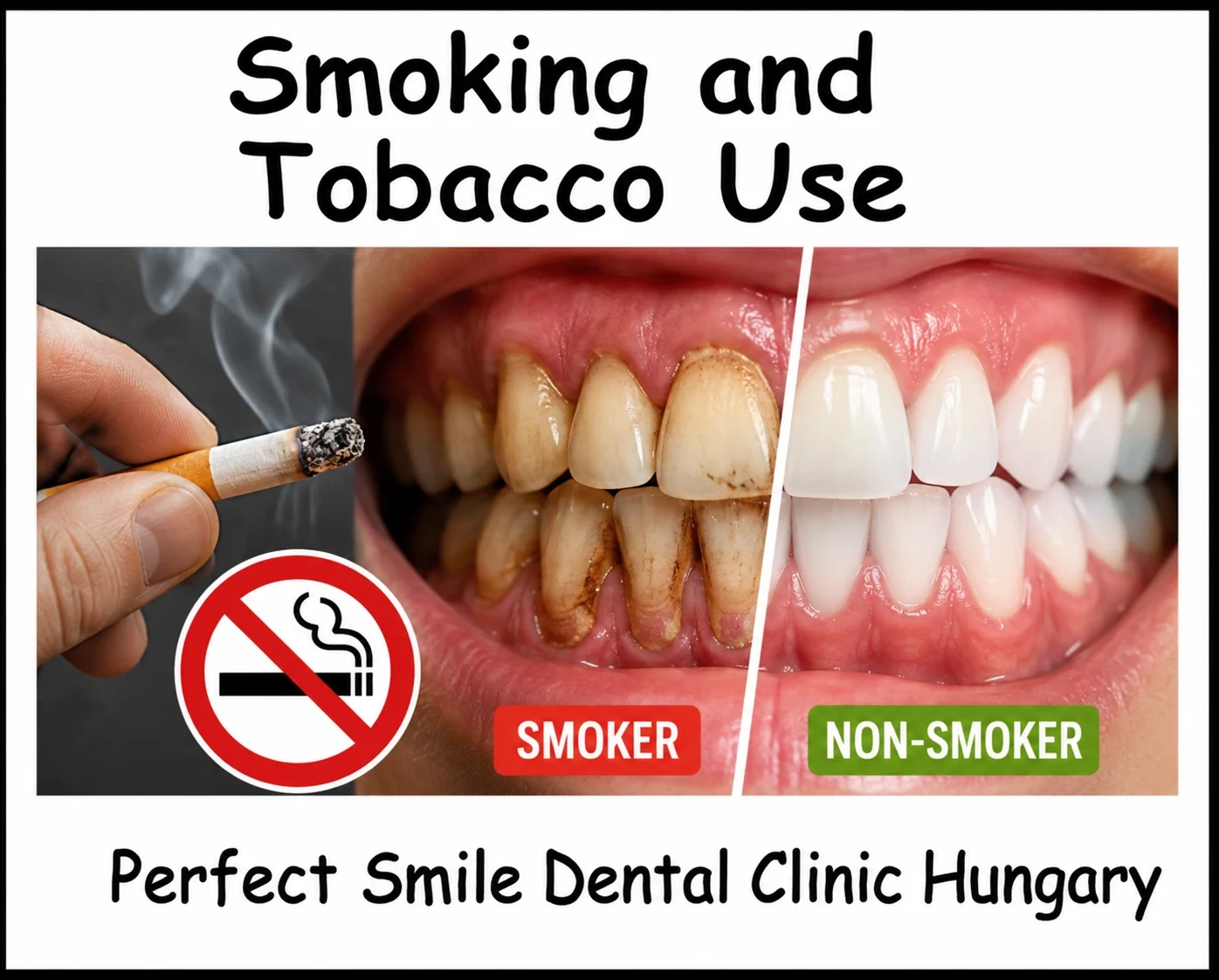
Smoking is an important risk factor for periodontal disease and tooth loss.
Tobacco use can impair the body’s immune response and healing processes, making gum disease more difficult to manage.
Smoking may also reduce some obvious warning signs of gum inflammation, such as bleeding, even while periodontal damage progresses.
People who smoke have a greater risk of severe periodontal problems, which can eventually lead to loose teeth.
Stopping smoking can improve oral and general health and support better outcomes from periodontal treatment.
7. Dental Infections and Abscesses
Dental infections can affect the tissues surrounding a tooth root and may contribute to pain, swelling and tooth mobility.
An abscess can develop when bacteria infect the inside of a tooth or the surrounding periodontal tissues.
Possible symptoms of a dental infection
- Persistent or throbbing toothache
- Pain when chewing or biting
- Swelling around the tooth or gum
- An unpleasant taste or discharge
- Sensitivity to temperature
- Increased tooth movement
Some dental infections can progress without severe pain.
Prompt dental treatment is important. Depending on the cause, treatment may involve drainage, root canal treatment, periodontal care or extraction when a tooth cannot be saved.
Antibiotics are not a substitute for treating the source of a dental infection.
When to seek urgent help: Facial swelling, fever or rapidly worsening symptoms require prompt professional assessment. Difficulty breathing or swallowing, or swelling affecting the eye or neck, requires emergency medical attention.
8. Hormonal Changes and Loose Teeth
Hormonal changes during pregnancy can affect the gums and the tissues surrounding the teeth.
Pregnancy-related changes may increase gum inflammation and, in some cases, contribute to temporary tooth mobility.
However, a loose permanent tooth should never automatically be attributed to pregnancy.
A dental examination is important to rule out periodontal disease, infection or another underlying problem.
Can a Loose Adult Tooth Be Saved?
Yes, some loose adult teeth can be saved. The outcome depends on why the tooth has become mobile, how much supporting tissue remains and whether the underlying condition can be treated.
Possible treatments include:
- Periodontal treatment: Professional cleaning and treatment to control gum disease.
- Root surface debridement: Cleaning below the gumline to remove deposits and reduce inflammation.
- Dental splinting: Temporarily or permanently stabilising selected mobile teeth where clinically appropriate.
- Root canal treatment: Treating infection inside a tooth when it can be restored.
- Night guards: Managing excessive grinding forces in suitable patients.
- Periodontal surgery: Specialist treatment for certain cases of advanced gum disease.
- Regenerative procedures: Selected techniques that may help restore supporting tissues in appropriate defects.
Not every treatment is suitable for every patient. The dentist must first identify the cause of the mobility.
What Should You Do If an Adult Tooth Feels Loose?
If you notice that a permanent tooth has started moving, arrange a dental examination rather than waiting to see whether the problem disappears.
Until you receive professional advice:
- Avoid deliberately wiggling or testing the tooth.
- Try not to bite hard foods with the affected tooth.
- Continue gentle brushing and appropriate oral hygiene.
- Do not attempt to splint, glue or reposition the tooth yourself.
- Seek urgent dental assessment if the tooth became loose after an injury or if infection is suspected.
These steps may help avoid further irritation, but they do not treat the underlying cause.
What Happens When a Loose Tooth Cannot Be Saved?
Unfortunately, severe periodontal damage, advanced infection or extensive injury can sometimes make a tooth impossible to preserve.
If extraction is necessary, the dentist can explain suitable replacement options.
These may include:
- Dental implants
- Fixed dental bridges
- Removable partial dentures
- Other restorative options appropriate to the patient’s needs
Dental implants may provide a fixed replacement for missing teeth, but they require sufficient healthy supporting tissues and careful treatment planning.
Read more about why teeth fall out and the treatment options available.
Free Dental Consultation in Wexford
Hungarian Dentists Wexford works with Perfect Smile Dental Implant Center Hungary to help Irish patients explore dental treatment options.
Patients considering treatment in Hungary can begin with a free consultation and panoramic dental X-ray in Wexford.
Following the consultation, the dental team in Hungary reviews the information and prepares a proposed treatment plan.
Angelika Szmolka, the patient coordinator, helps patients understand their treatment arrangements and coordinates the next stages.
If a patient decides to proceed, treatment is arranged at Perfect Smile Dental Implant Center in Hódmezővásárhely, Hungary.
Dental extractions and appropriate aftercare can be provided in Wexford. Other dental treatment, including implants, crowns, bridges and periodontal procedures, takes place in Hungary.
The visiting Perfect Smile dental team normally attends Wexford approximately every four weeks for scheduled consultations and follow-up appointments.
This service is intended for patients considering planned treatment in Hungary. Anyone experiencing an acute dental problem should seek prompt local dental care rather than waiting for the next visiting clinic.

Frequently Asked Questions About Loose Teeth
Can a loose adult tooth tighten up again?
Sometimes. If the mobility is caused by a treatable condition, appropriate dental treatment may reduce movement. However, teeth affected by severe bone loss may remain mobile even after treatment.
Does a loose tooth always need to be extracted?
No. Some loose teeth can be preserved through periodontal treatment, splinting or other appropriate procedures. Extraction may be necessary when the tooth is too severely damaged or lacks sufficient support.
Can gum disease make your teeth loose?
Yes. Advanced periodontal disease can damage the ligaments and bone supporting the teeth. This is one of the most important causes of loose teeth in adults.
Can teeth grinding cause loose teeth?
Excessive grinding and clenching can increase pressure on teeth and aggravate mobility, particularly when periodontal support is already reduced.
Is a loose adult tooth an emergency?
A newly loose permanent tooth should be assessed promptly. Mobility following an accident or accompanied by significant swelling, pain or infection symptoms requires urgent attention.
Can a loose tooth be caused by bone loss?
Yes. When the jawbone supporting a tooth is reduced, the tooth may become less stable. Advanced gum disease is a common cause of this type of bone loss.
Will I need a dental implant if my tooth is loose?
Not necessarily. Dentists generally assess whether the natural tooth can be preserved before considering extraction and replacement. Implants are one possible option when a tooth cannot be saved.
Final Thoughts on the Causes of Loose Teeth
The causes of loose teeth range from common periodontal problems to injuries, infections and excessive biting forces.
Although tooth mobility can be worrying, it does not automatically mean that the tooth must be removed.
Early professional assessment is the best way to identify the problem, determine whether the tooth can be saved and prevent further damage.
For patients considering planned dental treatment in Hungary, Hungarian Dentists Wexford can help explain the consultation process and the services available through Perfect Smile Dental Implant Center Hungary.
Considering Dental Treatment in Hungary?
Start with a free consultation and panoramic X-ray in Wexford. Discuss your dental concerns and receive information about suitable treatment options before making any decisions.
Call Fintan: 087 349 0104Consultations and appropriate aftercare in Wexford. Planned dental treatment at Perfect Smile Dental Implant Center Hungary.
Further Reading and Research
Change in Tooth Mobility Following Non-Surgical Periodontal Therapy — research relating to periodontal treatment and tooth mobility.
Medical information: This article provides general educational information and does not replace an examination, diagnosis or treatment advice from a qualified dental professional.