
Why do teeth fall out
You want to know why do teeth fall out.
It’s disturbing when teeth unexpectedly fall out, it happens so in this article we are going to explain and give the answers to the question of why do teeth fall out, what are the reasons and what is the best treatment for teeth that have fallen out.
There are several reasons why your teeth might start falling out. One common cause is gum disease, which is a bacterial infection that affects the tissues supporting your teeth.
If left untreated, gum disease can lead to periodontitis, a severe form of gum disease that can destroy the bone and other tissues that hold your teeth in place.
Another common cause of tooth loss is tooth decay, which occurs when the bacteria in plaque produce acids that erode the tooth enamel. Tooth decay can lead to cavities, and if left untreated, can cause the tooth to become infected.
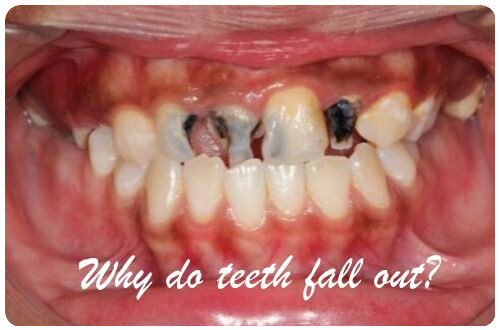
Other factors that can contribute to why do teeth fall out include injury or trauma to the teeth, as well as certain medical conditions such as diabetes, osteoporosis, and autoimmune disorders.
It’s important to note that age can also be a factor in tooth loss, as the wear and tear on your teeth over time can weaken them, making them more susceptible to damage and decay.
If you are experiencing tooth loss or any other dental issues, it’s important to schedule an appointment with your dentist as soon as possible. They can help you identify the underlying cause of your tooth loss and recommend the best treatment options to help keep your teeth healthy and strong.
Contact us at Hungarian Dental Implant Centre Wexford for free advice and answers to why do teeth fall out, we can offer you a free xray and dental plan to determine the best course of treatment to replace missing teeth, call us now on 0873490104.
Periodontitis
One very common reason and a top answer to why do teeth fall out is periodontitis.
Periodontitis is a serious gum disease that damages the soft tissue and bone that support teeth. It is typically caused by a buildup of bacterial plaque on the teeth and gums, which causes inflammation and infection.
This can result in a variety of symptoms, including red, swollen, or bleeding gums, bad breath, and loose or shifting teeth.
If left untreated, periodontitis can lead to significant oral health problems, including tooth loss and even jawbone deterioration. It has also been linked to a variety of other health problems, such as heart disease, stroke, and diabetes.
Treatment for periodontitis typically involves a combination of professional cleaning and scaling of the teeth and gums, as well as antibiotic therapy in some cases. It’s important to seek prompt treatment if you suspect you may have periodontitis, as early intervention can help prevent further damage and preserve your dental health.
Tooth decay
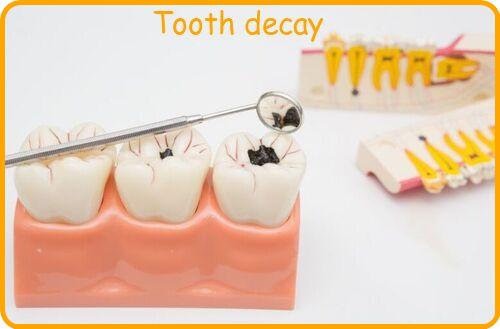
Another reason and one of the answers to why do teeth fall could be tooth decay
Tooth decay is a common dental problem that occurs when acid-producing bacteria erode the protective enamel layer on your teeth. This can lead to cavities, which are small holes in the teeth, and can cause pain, sensitivity, and even tooth loss if left untreated.
Several factors can contribute to tooth decay, including poor oral hygiene, frequent snacking or drinking sugary beverages, dry mouth, and certain medical conditions or medications. Genetics may also play a role in your risk of developing tooth decay.
Preventing tooth decay starts with good oral hygiene habits, including brushing your teeth at least twice a day with fluoride toothpaste, flossing daily, and visiting your dentist regularly for cleanings and check-ups. Eating a balanced diet that is low in sugary and acidic foods and drinks can also help prevent tooth decay.
If you do develop a cavity, treatment typically involves removing the decayed portion of the tooth and filling the cavity with a dental filling material. In more severe cases, root canal therapy or tooth extraction may be necessary.
By taking proactive steps to prevent tooth decay and seeking prompt treatment when necessary, you can protect your oral health and maintain a healthy, beautiful smile.
Injury or trauma
Injury or trauma is one of the less common answers to why do teeth fall out.
Injuries or trauma to the mouth and jawbone can indeed be one of the reasons why teeth may fall out. For example, a strong blow to the face can cause a tooth to become loose or dislodge it entirely from the gums. Additionally, injuries that affect the jawbone or gums can also lead to tooth loss.
Another common injury that can lead to tooth loss is sports-related dental trauma. Athletes who engage in contact sports such as football or hockey can experience hits to the mouth that cause serious damage to their teeth and jawbone. This type of injury can lead to the loosening or loss of teeth entirely.
It is also worth noting that gum disease can exacerbate the effects of injury or trauma on the teeth. Gum disease weakens the gums and the bone in the jaw that supports the teeth.
Injured teeth in an already unstable environment, as created by gum disease, are more likely to fall out or require removal.
In any case, injury or trauma to the teeth and surrounding structures can be a serious issue and should be addressed promptly by a dental professional.
If you experience any form of dental or facial trauma, it is essential to seek medical attention immediately to prevent further damage or complications.

What is the best treatment when teeth fall out
Once we identify the reasons and find answers to why do teeth fall out we can look at what is the best treatment for missing teeth.
When teeth begin to fall out, it is important to seek dental treatment as soon as possible. The best treatment for tooth loss varies depending on the individual case, but some options include dental implants, dental bridges, and dentures.
Dental implants are a popular option because they are a permanent solution. They involve the insertion of a titanium post into the jawbone, which is then topped with a dental crown that resembles a natural tooth.
Dental bridges, on the other hand, involve the attachment of a replacement tooth to adjacent healthy teeth.
Dentures are removable appliances that can replace all or some of the missing teeth. They are custom-made to fit the individual’s mouth and can be easily taken out for daily cleaning.
It is crucial to consult with a dentist to determine the best treatment option for your specific case. Early intervention can prevent further tooth loss and help improve overall oral health.
Dental implants to replace teeth that fall out
Dental implants are a popular and effective solution for replacing teeth that have fallen out. They are designed to provide a natural-looking and long-lasting replacement for missing teeth.
Dental implants consist of a titanium post that is surgically placed in the jawbone to support a replacement tooth or bridge.
Given time the dental implant will fuse with the jawbone, this process will create a strong base for the replacement bridge or tooth.
There are several benefits to dental implants. They offer better aesthetics and functionality than dentures or bridges, as they look and feel like natural teeth.
They also help to preserve the integrity of the surrounding teeth by preventing bone loss in the jaw.
Dental implants are a safe and effective option for most people, but they require a healthy jawbone to support the implant.
Your dentist will evaluate your health history discuss why do teeth fall out, and overall oral health to determine if dental implants are right for you.
If you are interested in dental implants to replace missing teeth, it is important to consult with a qualified dental professional.
They can answer any questions you may have, assess your eligibility for the procedure, and develop a personalized treatment plan based on your unique needs.
Conclusion
Thank you for reading this article on why do teeth fall out, there are any number of reasons why teeth have fallen out, its important to ask for a free consultation with Hungarian Dental Implant Centre Wexford to discuss what treatment is best for you in terms of replacing missing teeth.
References
https://www.nidcr.nih.gov/research/data-statistics/tooth-loss/adults