Dental Implants with receding gums
Dental implants with receding gums are not a perfect match, gum disease can have a major impact on the possibility of the dental implant procedure.
Here is all that you need to know about dental implants and gum disease.
Dental Implants with bad gums
Gum disease, otherwise called periodontal disease is a common enough oral health issue.
It mainly affects the gums and the surrounding structures of the teeth.
It is characterized by inflammation and infection of the gums, which, if left untreated, can lead to receding gums, and tooth loss.
For individuals considering dental implants, it is crucial to understand the implications of receding gums.
Particularly on the implant procedure and the importance of maintaining good oral hygiene to prevent its progression.
This article aims to provide a comprehensive guide on the relationship between dental implants and receding gums.
Gum Disease and Dental Implant Suitability:
Before a dental implant procedure, patients undergo a thorough dental evaluation to determine their suitability for the treatment.
While gum disease does not automatically disqualify a patient from receiving dental implants, it can significantly impact the success of the procedure.
Our Hungarian dentist in the Wexford town clinic will assess the severity and extent of gum disease to ensure that it is under control before proceeding with the implant placement.
At Hungarian Dentists Wexford town we are happy to provide you with a free xray and dental consultation to assess whether or not you are a suitable candidate for dental implants.
To book a time slot for the next visit of our experienced Hungarian dentist to Wexford please call Fintan on 0873490104.
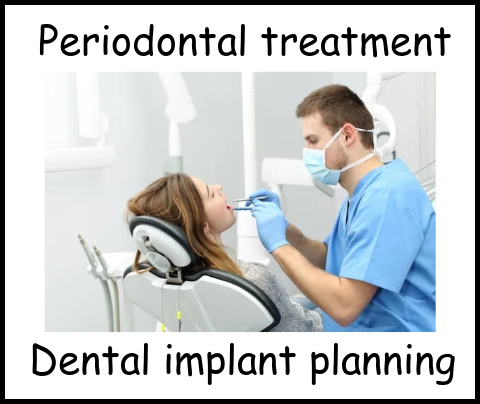
Periodontal Treatment and Implant Planning:
If a patient has receding gums, it is essential to undergo appropriate periodontal treatment to restore gum health before considering dental implants.
This may involve professional cleaning, scaling, and root planing to remove plaque, tartar, and bacteria from the teeth and gums.
Additionally, gum surgeries such as gum grafting or bone grafting may be necessary to enhance receding gums and bone support for the dental implant.
Once the gum disease is successfully managed, the implant procedure can be planned.
Bone grafting after gum recession
Once the receding gum disease is under control and the patient needs gum surgery bone grafting may be necessary.
Bone grafting is a surgical procedure that involves transplanting bone tissue from one part of the body.
Or from a donor, a synthetic source to another location within the same person or a different individual.
This procedure is often used to promote bone healing, fill gaps or voids in bone, or provide structural support for bone regeneration.
Bone grafting is commonly performed in cases where there is insufficient bone volume or quality to support the successful placement and integration of dental implants.
Bone grafting is also used to repair fractures, or treat bone-related conditions such as osteoporosis, osteomyelitis, or bone tumors.
It serves as a technique to stimulate new bone formation, enhance healing, and restore function and treats receding gums.
During the procedure
During a bone grafting procedure, the patient undergoes a form of anesthesia, depending on the complexity of the surgery.
The surgeon then carefully removes a section of bone from the donor site.
This can be an autograft (taken from the patient’s own body), allograft (bone from a deceased donor), or xenograft (animal bone).
In certain cases, synthetic materials can also be used.
The harvested bone graft is then placed at the recipient site, often secured with screws, plates, or other fixation devices.
This ensures stability while new bone growth occurs.
Over time, the transplanted bone provides a scaffold or framework for the patient’s own bone cells to fill in the gaps and eventually replace the graft material.
Once the graft has successfully integrated and healed, it becomes part of the patient’s natural bone structure.
Bone grafting procedures may vary in complexity and duration, depending on the specific purpose and extent of bone loss being addressed.
Learn more about dental implants and gum recession.
Call Fintan on 0873490104 for a free consultation with our friendly Hungarian dentist in Wexford.
The recovery period typically involves adherence to post-operative instructions, including careful oral hygiene, restricted diet, and follow-up visits to monitor healing progress.
Bone grafting is a well-established and safe procedure, and advancements in surgical techniques and materials have led to a high success rate.
However, as with any medical procedure, there are potential risks and complications.
These include infection, graft failure, nerve damage, and blood vessel injury.
Therefore, it is important for patients to consult with an experienced healthcare professional.
He will determine the suitability of bone grafting as a treatment option for their specific condition.
Hungarian Dentists Wexford are taking on new patients.
Maintaining Oral Hygiene with Dental Implants:
After receiving dental implants, maintaining excellent oral hygiene becomes even more critical.
Dental implants require regular care, just like natural teeth, to prevent gum disease recurrence and ensure their long-term success.
Patients must adhere to a rigorous oral hygiene routine, including daily brushing, flossing, and rinsing with an antimicrobial mouthwash.
Regular dental check-ups and professional cleanings are also essential to monitor the condition of the implants and surrounding tissues.
To learn more about dental implants and gum disease why not call Fintan on 0873490104 for a free consultation with our friendly Hungarian dentist in Wexford.
Preventing Gum Disease Around Dental Implants
While proper oral hygiene is crucial for preventing gum disease, there are additional measures that implant recipients can take to minimize the risk of complications. These include:
1. Quitting smoking:
Smoking is known to be detrimental to oral health and can increase the risk of gum disease and implant failure.
Smokers are encouraged to quit smoking before undergoing the implant procedure.
2. Regular dental check-ups:
Frequent dental visits enable dentists to detect and address any signs of gum disease promptly.
Early intervention is key to preventing its progression and protecting the implants.
3. Healthy lifestyle choices:
Adopting a well-balanced diet, reducing stress, and maintaining a healthy lifestyle can contribute to overall gum health and reduce the likelihood of gum disease.
To learn more about dental implants and gum disease why not call Fintan on 0873490104 for a free consultation with our friendly Hungarian dentist in Wexford.
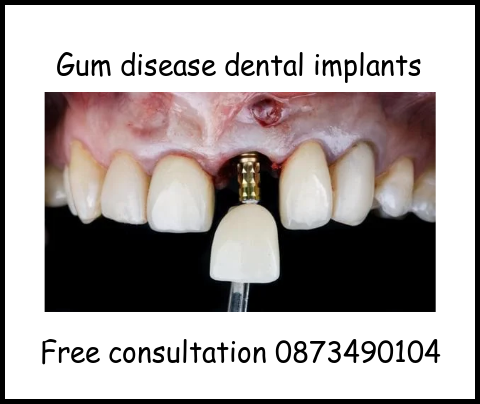
Conclusion:
When considering dental implants, it is vital to address any existing receding gum disease before undergoing the procedure.
Through appropriate periodontal treatment and maintaining good oral hygiene practices, individuals can minimize the risk of gum disease recurrence, ensuring the long-term success of their dental implants.
Regular dental check-ups and ongoing commitment to oral care will play a significant role in maintaining healthy gums and preserving the integrity of the dental implants for years to come.
References
https://myhillsdentist.com/blog/dental-implant-failure/#:~:text=More recent studies show that,after the first six months
https://www.perio.org/for-patients/gum-disease-information/gum-disease-and-other-diseases/#:~:text=Researchers found that men with,likely to develop blood cancers