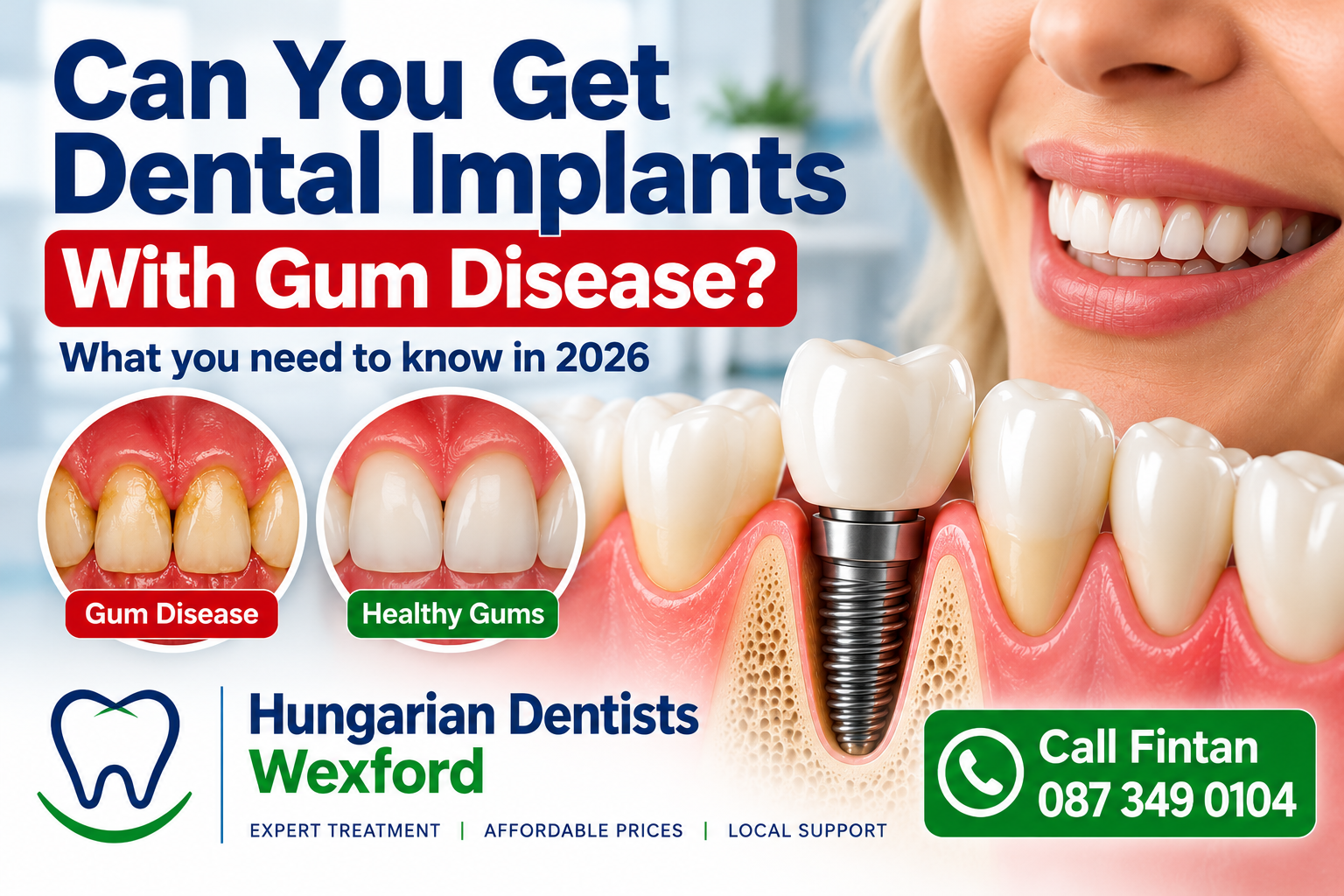
Can You Get Dental Implants With Gum Disease? 2026 Guide
Yes, dental implants may be possible if you have gum disease, but active periodontal disease usually needs to be treated and brought under control first. Your dentist must assess gum health, jawbone support and any remaining teeth before recommending implants. Some patients need periodontal treatment or bone grafting before implant placement; others may need a different approach.
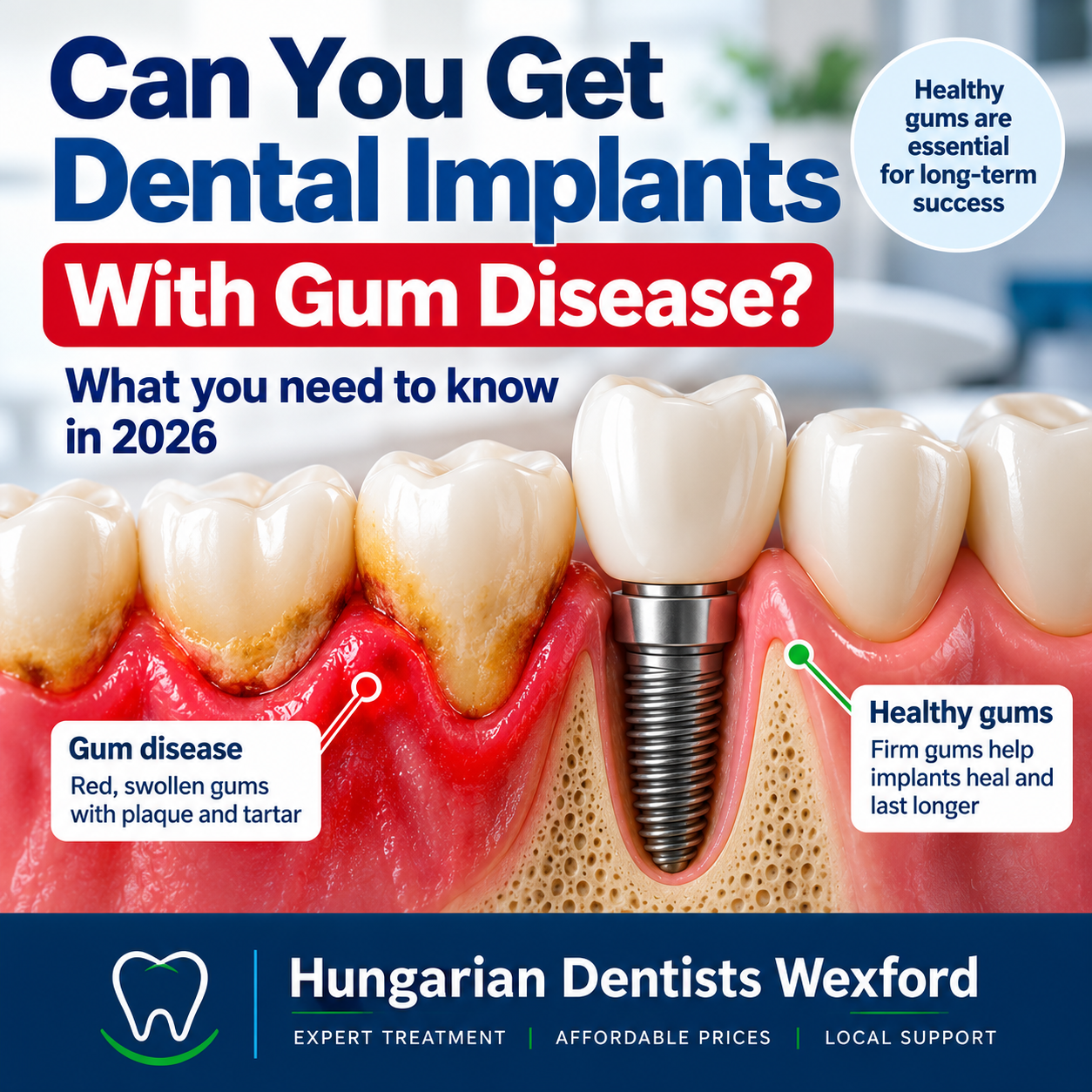
Can You Get Implants With Bad Gums?
You may be eligible for dental implants after the cause and severity of your gum problems have been assessed. Gum inflammation, gum recession and advanced periodontitis are not all the same condition, and they do not necessarily require the same treatment.
Placing an implant while periodontal disease remains active can increase the risk of complications. The aim is to create a healthy, stable environment for an implant and a realistic long-term maintenance plan.
What Is the Difference Between Healthy Gums and Gum Disease?
Healthy gums are generally firm and do not routinely bleed when brushed. Gum disease can cause redness, swelling, bleeding, gum recession and, in more advanced cases, loss of the bone supporting teeth.
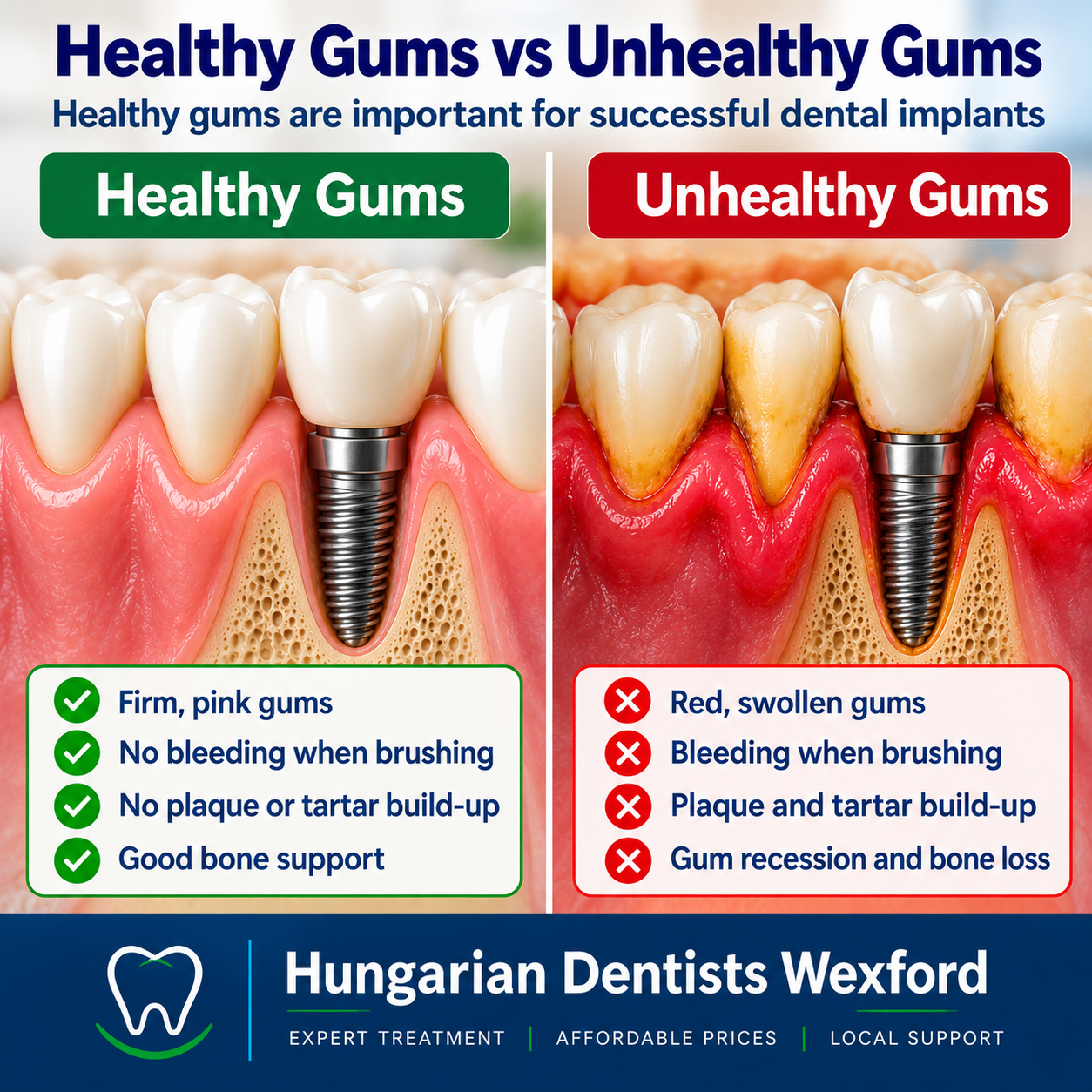
| Feature | Healthy gums | Possible gum disease |
|---|---|---|
| Appearance | Usually firm and pink, although natural colour varies | May be red, swollen or tender |
| Bleeding | Not routinely present | May bleed when brushing or flossing |
| Gum position | Stable gum margin | Recession may expose roots |
| Bone support | Stable supporting bone | Advanced periodontitis can cause bone loss |
Does Receding Gum Tissue Mean You Cannot Have Dental Implants?
No. Receding gums do not automatically rule out implants, but the underlying cause must be identified. Recession may be linked to periodontal disease, brushing trauma, tooth position or other factors.
A clinician will check whether the recession is stable, whether there is active infection and whether enough bone and soft tissue are available. Gum grafting or other treatment may be discussed where appropriate.
What Causes Gum Disease and Gum Recession?
Plaque-related inflammation is a major cause of gum disease. Other factors can affect the risk of periodontal problems or recession.
- Plaque and tartar accumulation, especially when cleaning is inadequate
- Smoking and tobacco use
- Diabetes, particularly when blood glucose is poorly controlled
- Previous periodontal disease and individual susceptibility
- Aggressive brushing or local trauma, which can contribute to recession
- Tooth position, thin gum tissue or other anatomical factors
Bleeding gums, loose teeth or persistent bad breath deserve a dental assessment rather than self-diagnosis.
What Treatment May Be Needed Before Dental Implants?
Periodontal treatment is often the first step if gum disease is active. The precise sequence depends on the examination findings.
- Gum assessment: measure periodontal pockets, examine bleeding and assess remaining teeth.
- Periodontal treatment: professional cleaning and, where indicated, deeper cleaning or specialist care.
- Review and stabilisation: check how the gums respond before deciding whether implants are suitable.
- Bone and implant planning: assess available bone and consider grafting or other options where clinically appropriate.
- Maintenance: agree on cleaning and follow-up appointments to help protect implants over time.
Can Gum Disease Cause Dental Implant Failure?
Yes. A history of periodontitis is associated with a higher risk of inflammation and bone loss around implants, especially if plaque control and maintenance are poor. An implant cannot develop a cavity, but the surrounding tissues can become inflamed or infected.
This is why controlling gum disease before treatment and attending ongoing check-ups afterward are essential. No dentist can guarantee that an implant will last for life.
What If You Have Lost Jawbone Because of Gum Disease?
Bone loss does not always prevent implant treatment. Your surgeon may assess whether bone grafting, an alternative implant position or another restorative option is appropriate.
Read our related guide to jawbone loss and dental implants for more on treatment possibilities and costs. Decisions about bone grafts and implants require individual assessment and imaging where indicated.
How Much Do Dental Implants Cost at Perfect Smile in Hungary?
The following are indicative treatment prices at Perfect Smile Dental Implant Center Hungary. A personal treatment plan is needed to establish which procedures, if any, are necessary.
| Treatment | Price |
|---|---|
| Dental implant | €795 |
| Abutment | €130 |
| Porcelain-fused-to-metal crown | €265 |
| Example complete single implant with PFM crown | €1,190 |
| Zirconia crown instead of PFM | €365 |
| Bone grafting, where required | From €200 |
| CT scan, where required | €145 |
Periodontal treatment, additional procedures, travel and accommodation are not included in the example single-implant price. See the dental treatment price list for further information.
How Does Your Assessment Work Through Hungarian Dentists Wexford?
You can begin by contacting Hungarian Dentists Wexford to discuss a consultation and the next steps. The team can review your concerns and coordinate a treatment plan with Perfect Smile Dental Implant Center Hungary, where implant surgery and other dental treatments take place.
Wexford provides consultations, appropriate extractions and aftercare. All other dental treatment, including implant placement and periodontal procedures, is carried out in Hungary. Any additional specialist assessment will be arranged according to your needs.
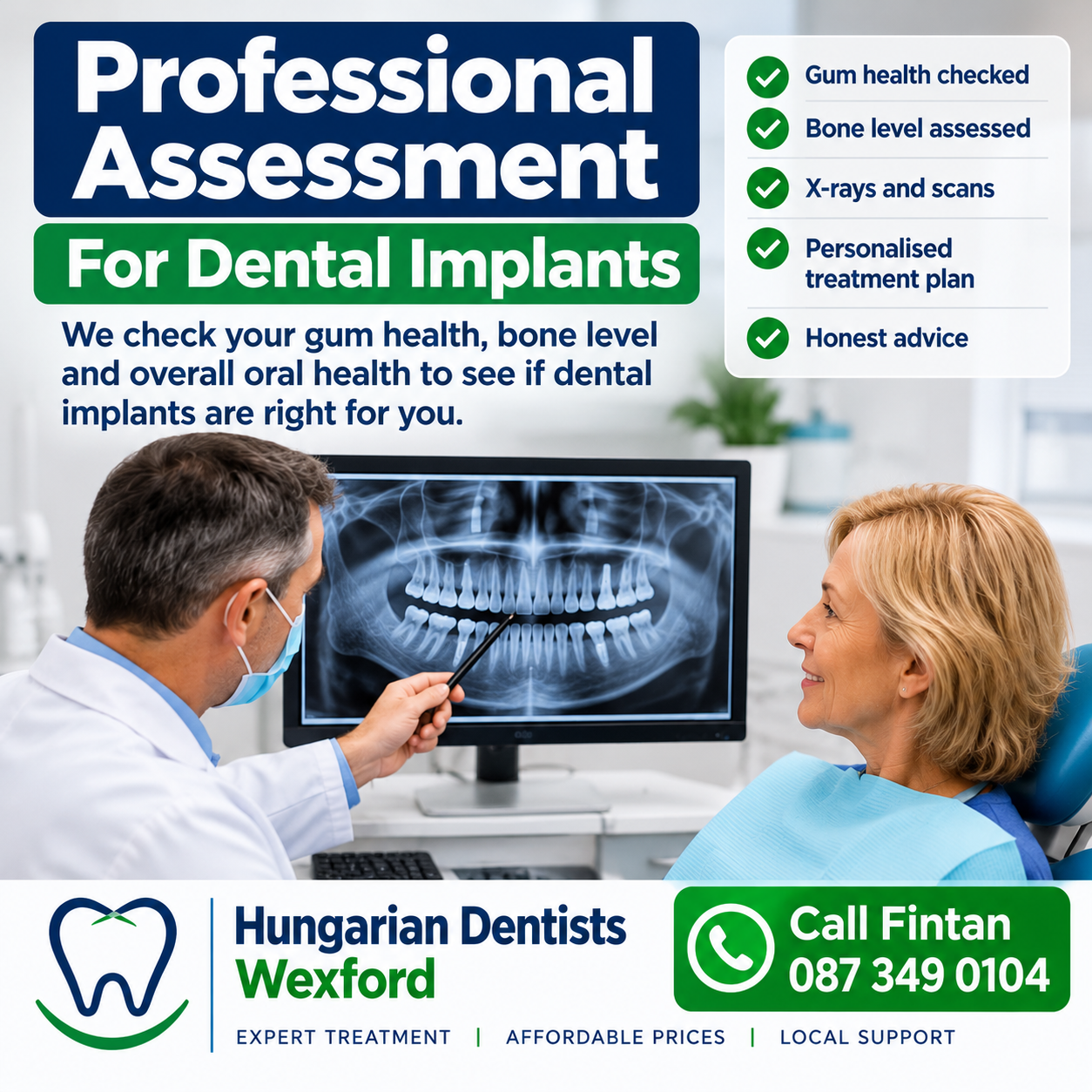
Concerned About Gum Disease and Dental Implants?
Call Fintan on 087 349 0104 to discuss a consultation with Hungarian Dentists Wexford. We can explain the assessment process and how treatment in Hungary is coordinated with local support in Wexford.
Frequently Asked Questions
Can you have dental implants if your gums bleed?
Bleeding gums should be examined before implant treatment. They can be a sign of inflammation or gum disease, which may need treatment first.
Can you get implants after periodontal disease?
Often, yes, if the disease has been successfully managed and there is adequate bone and tissue support. Your personal risk and maintenance needs still matter.
Will a gum graft always be necessary?
No. Gum grafting is considered only when the clinical findings support it. Many patients do not need a gum graft.
Can implants develop gum disease?
The tissues around implants can become inflamed. Peri-implantitis can involve progressive bone loss, so careful cleaning and professional monitoring are important.
Is an implant consultation available in Wexford?
Yes. Contact Hungarian Dentists Wexford to discuss consultations and the arrangements for treatment at Perfect Smile Dental Implant Center Hungary.
General patient information only. Treatment suitability and costs depend on an individual clinical assessment.