Updated August 2026 | Hungarian Dentists Wexford
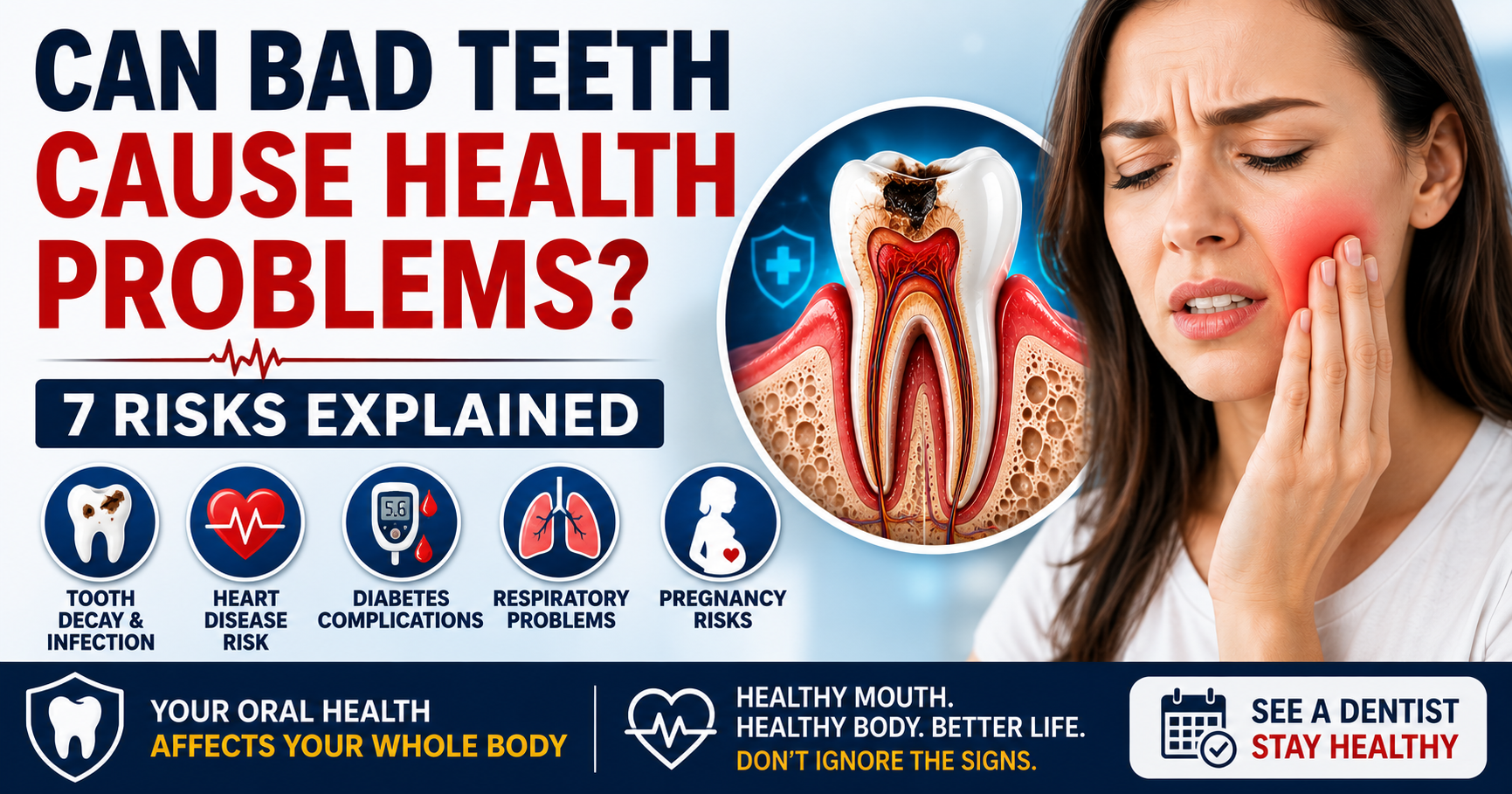
Can Bad Teeth Cause Health Problems? 7 Risks Explained
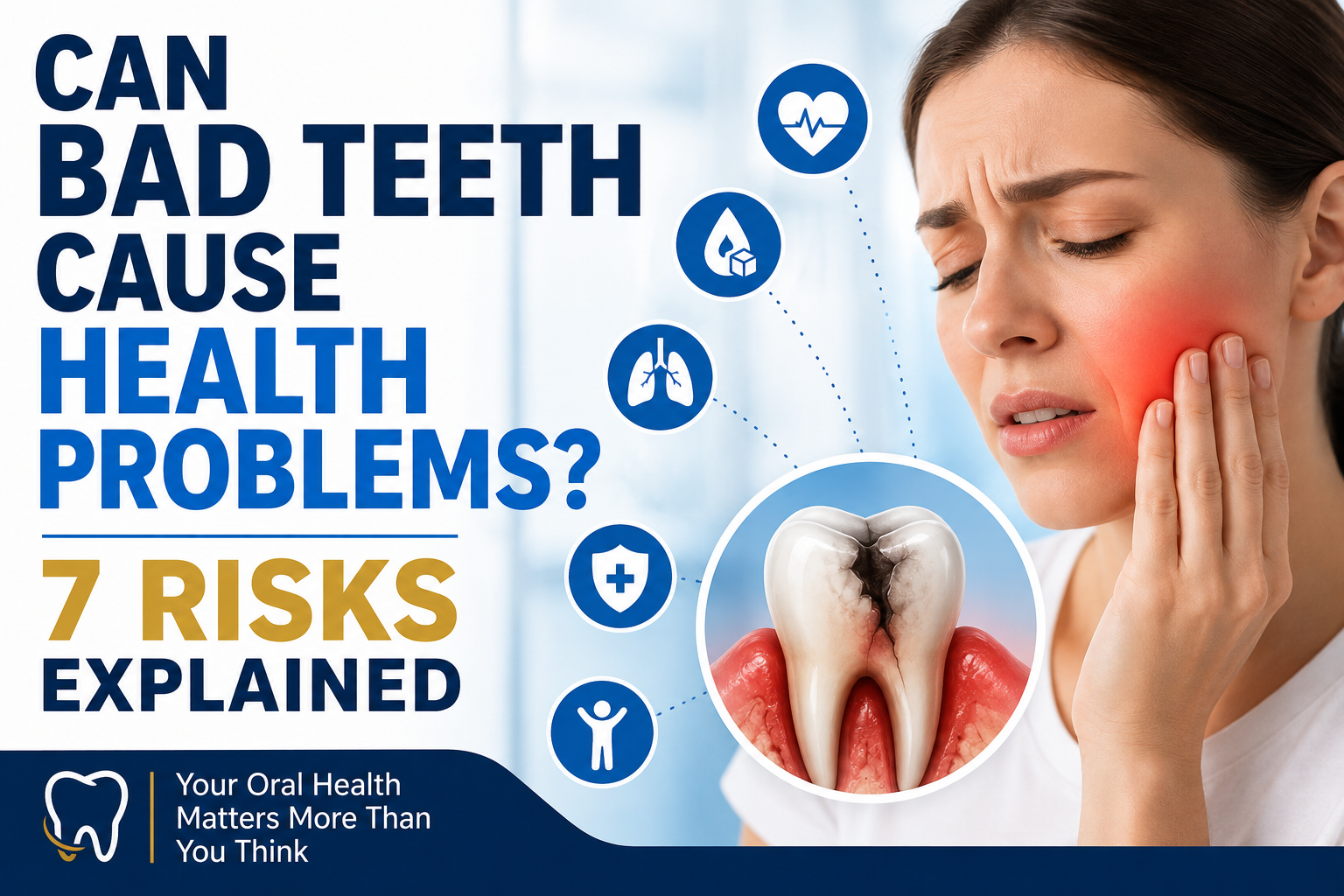
Can bad teeth cause health problems? Poor oral health, gum disease and untreated dental infections have been linked with health problems beyond the mouth. Research has found associations with cardiovascular disease, diabetes complications and respiratory infections, although an association does not necessarily mean that one directly causes the other.
Bad teeth can also cause very real problems inside the mouth, including toothache, dental abscesses, gum disease, tooth loss and difficulty eating.
Bad teeth can directly lead to toothache, infection, dental abscesses, gum disease, tooth loss and difficulty eating. Gum disease has also been associated with several wider health conditions. If you have swelling, persistent dental pain, bleeding gums, loose teeth or signs of infection, it is sensible to have the problem assessed rather than waiting for it to become worse.
What Do We Mean by “Bad Teeth”?
The phrase bad teeth can describe several different dental problems. These include untreated tooth decay, broken teeth, infected teeth, advanced gum disease, loose teeth or teeth that can no longer function properly.
Common warning signs include:
- Persistent toothache
- Broken or badly decayed teeth
- Red, swollen or bleeding gums
- Persistent bad breath
- Loose adult teeth
- Pus or swelling around a tooth or gum
- Pain when biting or chewing
- Difficulty eating certain foods
- Swelling of the face or jaw
Untreated gingivitis can progress to periodontitis, which affects the tissues supporting the teeth and can eventually contribute to tooth loss.
7 Ways Bad Teeth Can Affect Your Health
1. Untreated Teeth Can Lead to Dental Abscesses
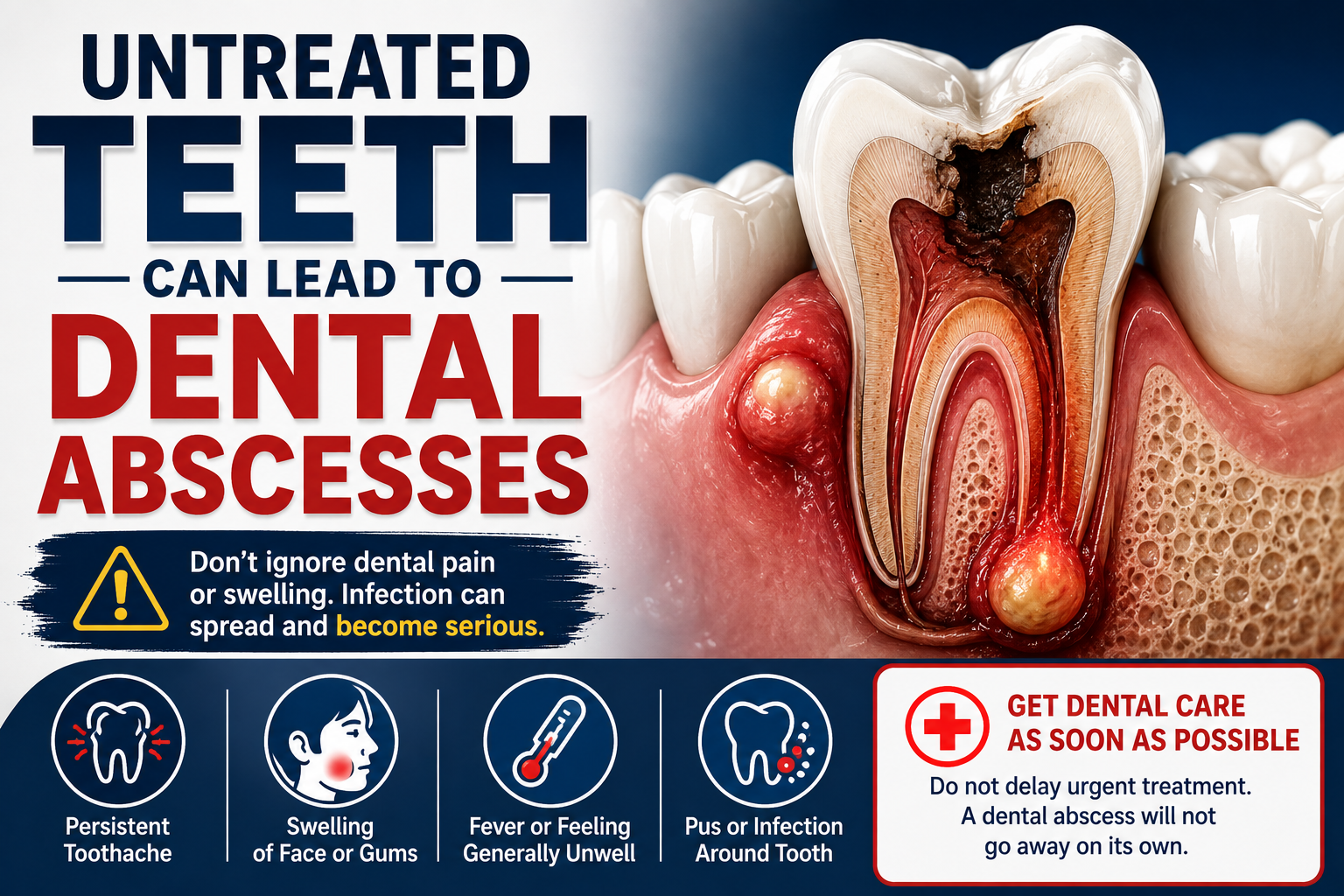
One of the clearest ways in which a bad tooth can affect your health is through infection.
Decay can progress through the tooth and reach the dental pulp, where the nerves and blood vessels are located. Infection can then develop around the tooth or surrounding tissues.
A dental abscess is a collection of pus caused by infection. It will not normally disappear permanently without the underlying dental problem being treated.
Do not delay urgent dental treatment while waiting for one of our Wexford consultation dates. Hungarian Dentists Wexford is not an emergency or daily dental treatment clinic.
2. Gum Disease Can Lead to Tooth Loss
Gum disease often begins with gingivitis. The gums may become red, swollen or bleed when brushing.
If the condition progresses to periodontitis, the tissues and bone supporting the teeth can become damaged. Teeth may eventually become loose.
This is one reason bleeding gums should not simply be ignored, particularly if the problem continues.
Good oral hygiene and professional dental care can help prevent and manage gum disease.
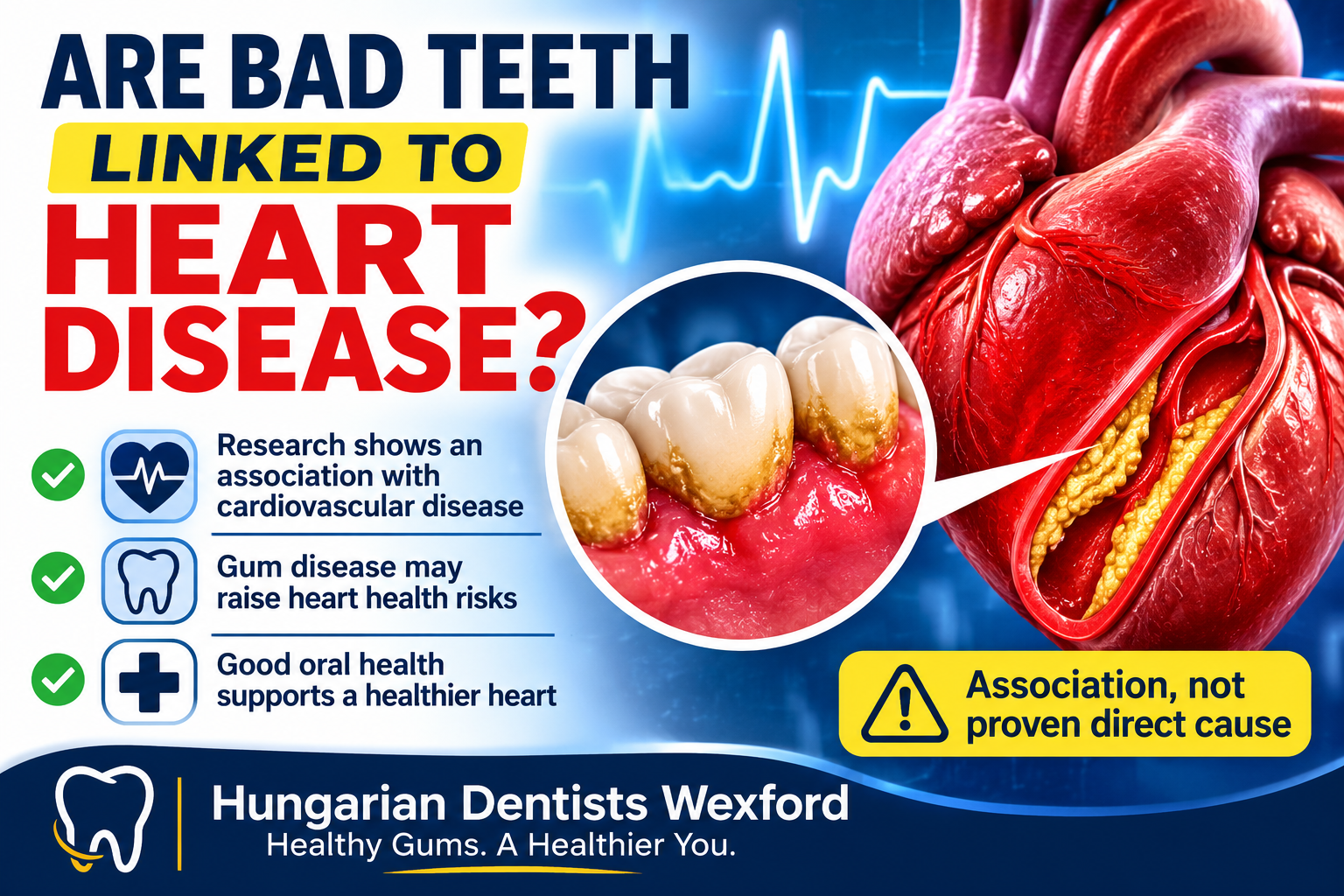
3. Are Bad Teeth Linked to Heart Disease?
This is where careful wording matters.
Studies have found an association between periodontal disease and cardiovascular disease. People with severe gum disease may also have a higher rate of cardiovascular problems.
However, an association does not prove that gum disease directly causes heart attacks or strokes.
Periodontal disease and cardiovascular disease also share several common risk factors, which makes a simple cause-and-effect relationship difficult to establish.
4. Gum Disease and Diabetes Have a Two-Way Relationship
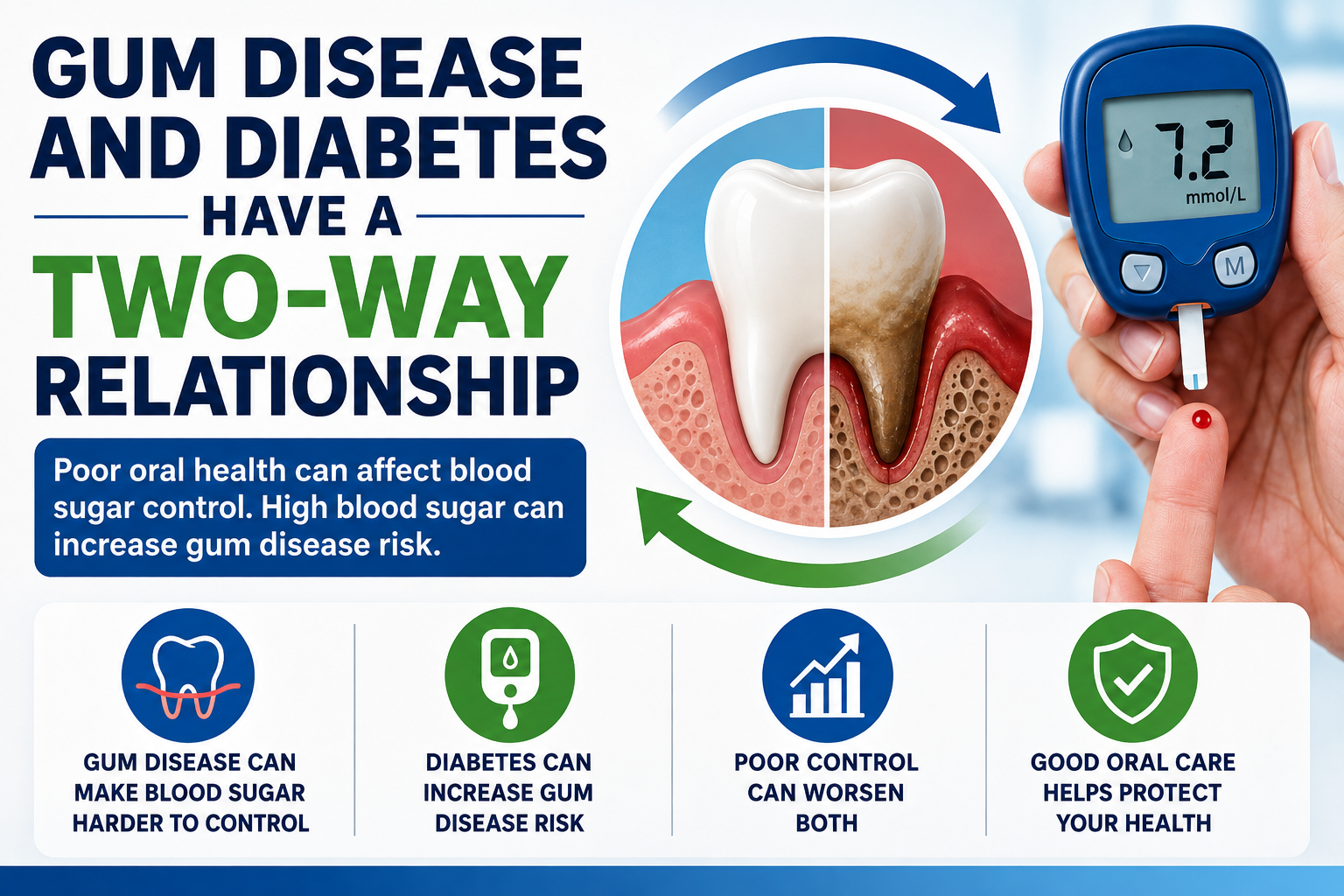
The connection between diabetes and gum disease is particularly important.
People with diabetes have a higher risk of developing gum disease, particularly when blood glucose is not well controlled.
Gum disease can also be more severe and may take longer to heal in people with diabetes.
The relationship can work in both directions. Significant gum disease may also make diabetes and blood glucose management more difficult.
If you have diabetes, regular dental examinations and good daily oral hygiene are an important part of looking after your health.
5. Can Poor Oral Health Affect the Lungs?
The mouth contains many different bacteria. In some circumstances, bacteria from the mouth can be aspirated into the respiratory system.
This may be particularly important among frail or medically vulnerable older people and people receiving hospital or long-term care.
This does not mean that an ordinary bad tooth automatically causes pneumonia. Rather, it is another reason why maintaining good oral hygiene can be especially important for people who are medically vulnerable.
6. Bad Teeth Can Make Eating More Difficult
Teeth have an important job beyond appearance. They allow us to bite and chew food comfortably.
Broken, painful, loose or missing teeth can change what you eat. Some people begin avoiding harder foods because chewing becomes uncomfortable.
Oral health is important for essential everyday functions including eating, speaking and maintaining general wellbeing.
If dental problems are affecting your ability to eat normally, it is worth discussing the problem with a dentist rather than simply adapting to it.
7. Dental Problems Can Affect Confidence and Quality of Life
The consequences of poor dental health are not limited to disease.
Persistent toothache can affect sleep and concentration. Missing or badly damaged teeth can make eating or speaking uncomfortable.
Some people also become reluctant to smile, have photographs taken or socialise because they feel self-conscious about their teeth.
Good oral health therefore has an important role in comfort, function, confidence and quality of life.
What About Bad Teeth During Pregnancy?
Pregnancy can increase the likelihood of some oral health problems, particularly gingivitis and tooth decay.
Hormonal and dietary changes can make gums more susceptible to inflammation, which is why regular oral hygiene and appropriate dental care remain important during pregnancy.
Research has reported associations between periodontal disease and some adverse pregnancy outcomes, but this does not prove that gum disease directly causes those outcomes.
If you are pregnant and experiencing toothache, swelling, bleeding gums or another dental problem, speak with your dentist rather than postponing necessary care simply because you are pregnant.
Can Rotten Teeth Make You Sick?
People often search for “can rotten teeth make you sick?” or “can infected teeth affect your health?”
A badly infected tooth can certainly make you unwell.
A dental abscess may cause severe pain, swelling, fever or a general feeling of being unwell, and infection can occasionally spread beyond the immediate area of the tooth.
This is different from saying that rotten teeth directly cause chronic conditions such as heart disease or diabetes.
The safest approach is simple: do not leave a suspected dental infection untreated.
When Should You See a Dentist?
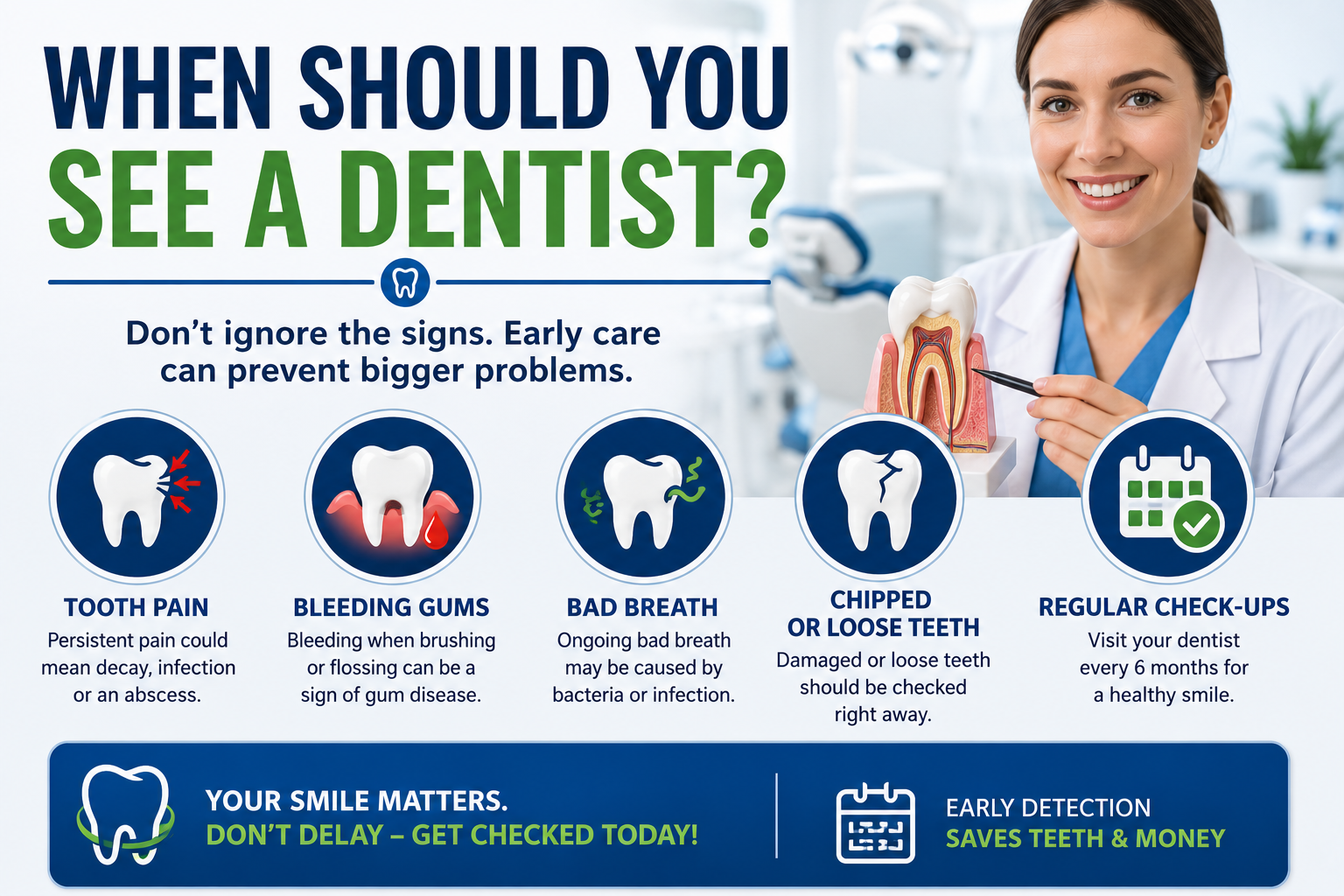
Arrange a dental assessment if you have:
- Toothache that keeps returning
- A broken or badly decayed tooth
- Bleeding or swollen gums
- A loose adult tooth
- Persistent bad breath alongside gum problems
- Pain when chewing
- Swelling around a tooth or gum
- A dental problem that is getting progressively worse
If dental anxiety has caused you to put off treatment, you may also find our guide on fear of the dentist useful.
What If You Have Several Bad or Failing Teeth?
Having badly damaged teeth does not automatically mean that every tooth needs to be removed or that dental implants are the only option.
The appropriate treatment depends on the condition of each tooth, your gums, available bone, your bite and your individual dental needs.
Depending on the situation, treatment may involve fillings, root canal treatment, crowns, bridges, extractions, periodontal treatment, dental implants or a combination of treatments.
This is why an individual dental assessment and treatment plan are much more useful than trying to choose a treatment from information found online.
Concerned About the Condition of Your Teeth?
If you need extensive restorative treatment and are considering treatment in Hungary, you can begin with a free panoramic dental X-ray, assessment and consultation in Wexford.
A small team from Perfect Smile Dental Implant Center Hungary visits Hungarian Dentists Wexford approximately once a month for consultations, reviews and appropriate follow-up and aftercare appointments.
Your panoramic X-ray and assessment form the basis of your dental treatment plan and are reviewed by the dental surgeon at Perfect Smile Dental Implant Center Hungary.
A detailed treatment plan is then issued showing:
- The condition of your teeth
- The recommended treatment
- How long the treatment is expected to take
- How much the proposed treatment will cost
Call Fintan: 087 349 0104
Free Consultation in Wexford Contact Hungarian Dentists WexfordFrequently Asked Questions
Can bad teeth cause health problems?
Bad teeth can directly cause problems including toothache, dental infection, abscesses, gum disease, tooth loss and difficulty chewing. Poor oral health and periodontal disease have also been associated with several wider health conditions, although association does not always mean direct causation.
Can an infected tooth affect the rest of your body?
Yes. A dental infection can spread beyond the tooth and surrounding tissues. A suspected dental abscess should be assessed by a dentist as soon as possible.
Can bad teeth cause heart problems?
Periodontal disease has been associated with cardiovascular disease, but current evidence does not establish that bad teeth directly cause heart disease. Gum disease and cardiovascular disease also share several common risk factors.
Can bad teeth affect diabetes?
There is a recognised two-way relationship between diabetes and periodontal disease. Diabetes can increase the risk and severity of gum disease, while significant gum disease may make blood glucose management more difficult.
Can a dental abscess be dangerous?
A dental abscess requires prompt dental assessment. Seek urgent medical care if swelling affects your eye or neck or you develop difficulty breathing or swallowing.
What happens if you leave bad teeth untreated?
The outcome depends on the problem. Untreated decay may become deeper and lead to pain or infection. Untreated gum disease may progress and damage the tissues supporting the teeth. Earlier assessment generally provides more opportunity to understand the available treatment options.
Can I get my teeth assessed in Wexford before considering treatment in Hungary?
Yes. Patients considering extensive dental treatment through Perfect Smile Dental Implant Center Hungary can arrange a free panoramic dental X-ray, assessment and consultation through Hungarian Dentists Wexford. Call Fintan on 087 349 0104.
Can Bad Teeth Cause Health Problems? The Bottom Line
Yes, bad teeth can cause health problems, particularly when decay, gum disease or infection is allowed to progress untreated.
The most direct consequences include pain, dental abscesses, gum disease, tooth loss and difficulty eating.
Research has also found important links between oral health and conditions including diabetes, cardiovascular disease and certain respiratory infections, although these relationships should not be described as simple cause and effect.
If something does not feel right with your teeth or gums, having the problem properly assessed is better than waiting until it becomes painful or more difficult to treat.
If you are considering more extensive restorative or implant treatment, you can also read our Dental Implants Cost in Hungary 2026 guide or Compare Dental Implant Prices 2026.
Medical Sources & Further Reading
- HSE – Gum Disease
- HSE – Dental Abscess
- American Dental Association – Oral-Systemic Health
- CDC – Diabetes and Oral Health
- World Health Organization – Oral Health
This article provides general information and is not a diagnosis or a substitute for individual dental or medical advice.